KARUIZAWA 90 · 90-DAY PROGRAM · MIYOTA & KARUIZAWA, NAGANO · JAPAN
Karuizawa 90 — 3 Months in Japan: Learn Japanese, Live in Karuizawa
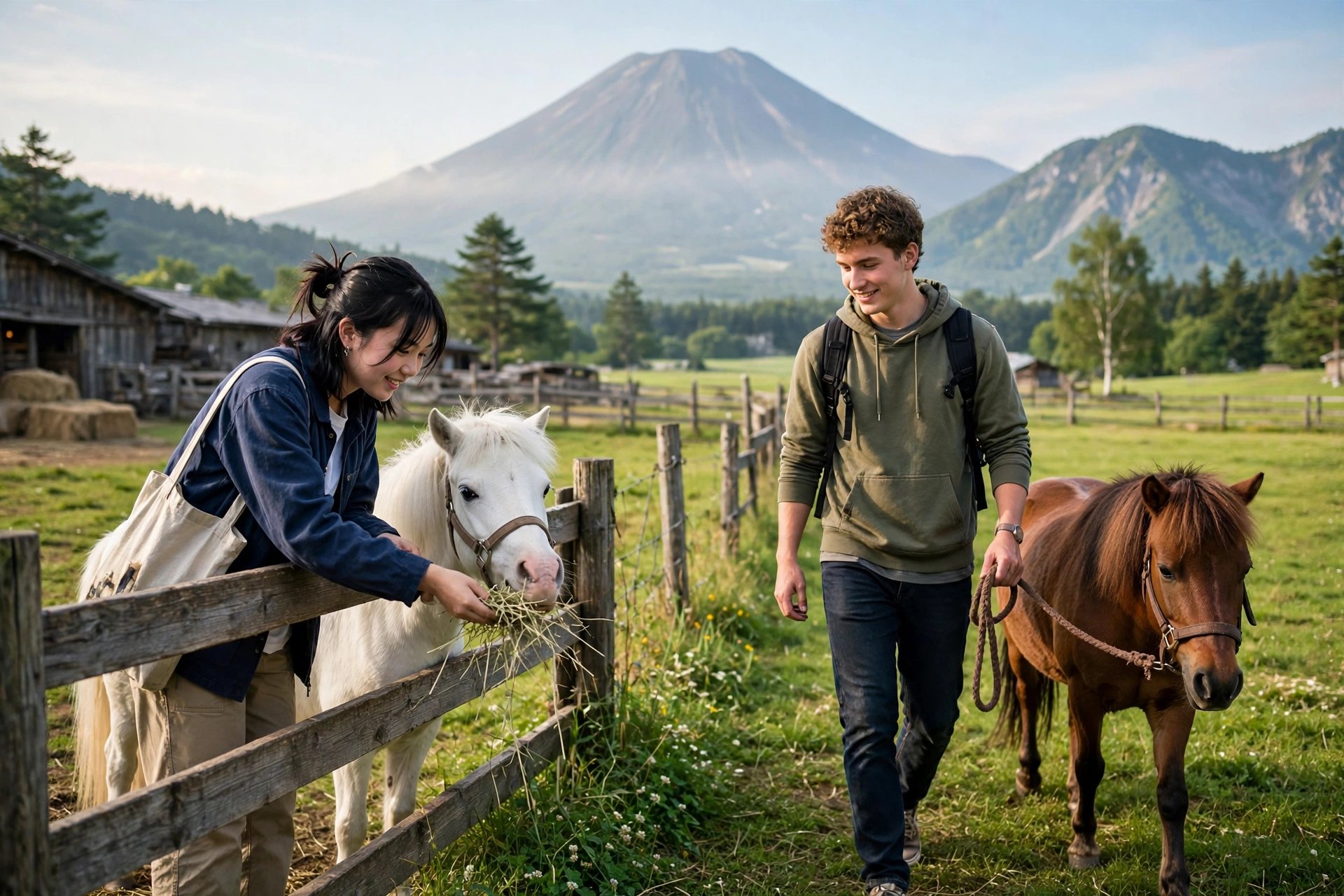
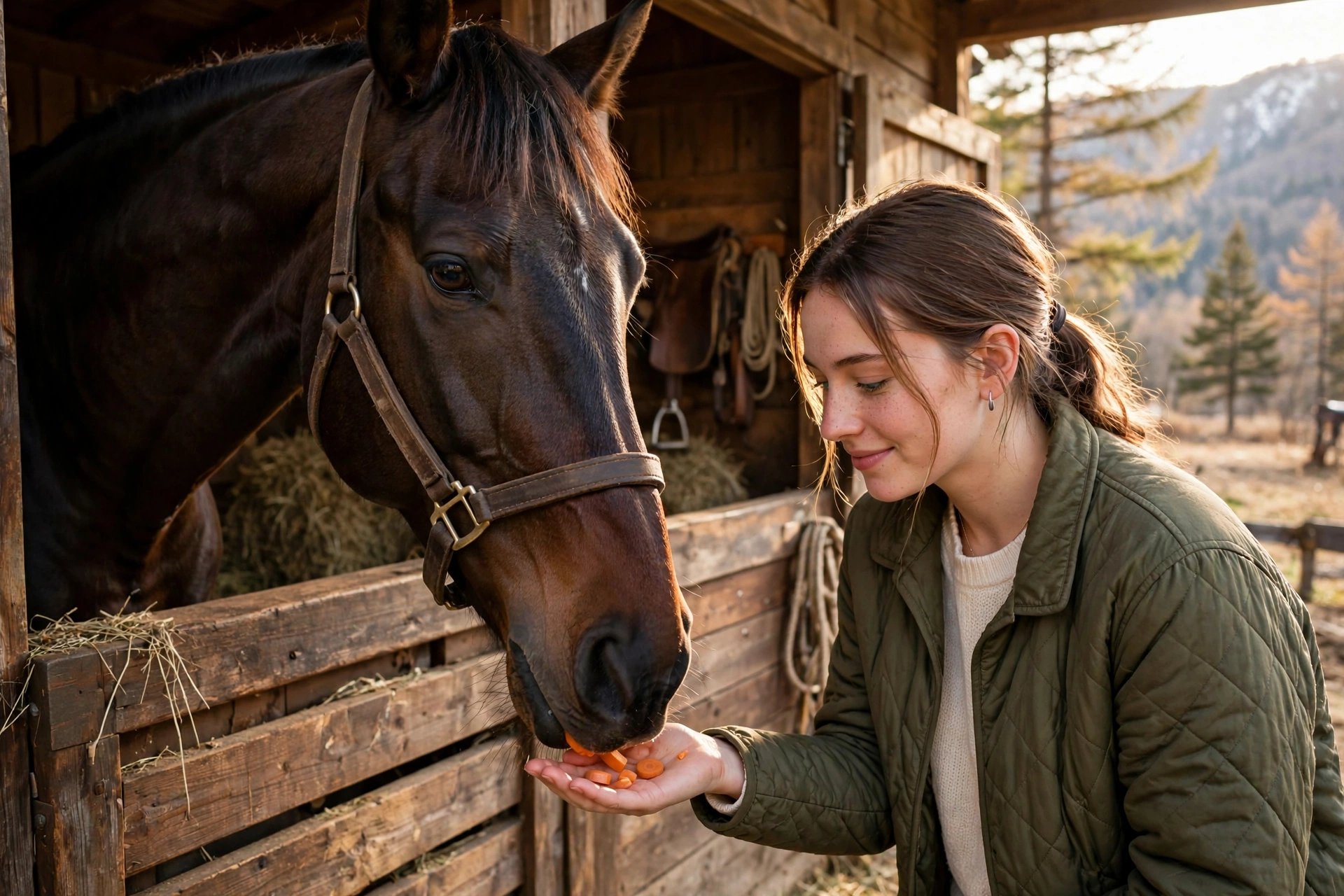
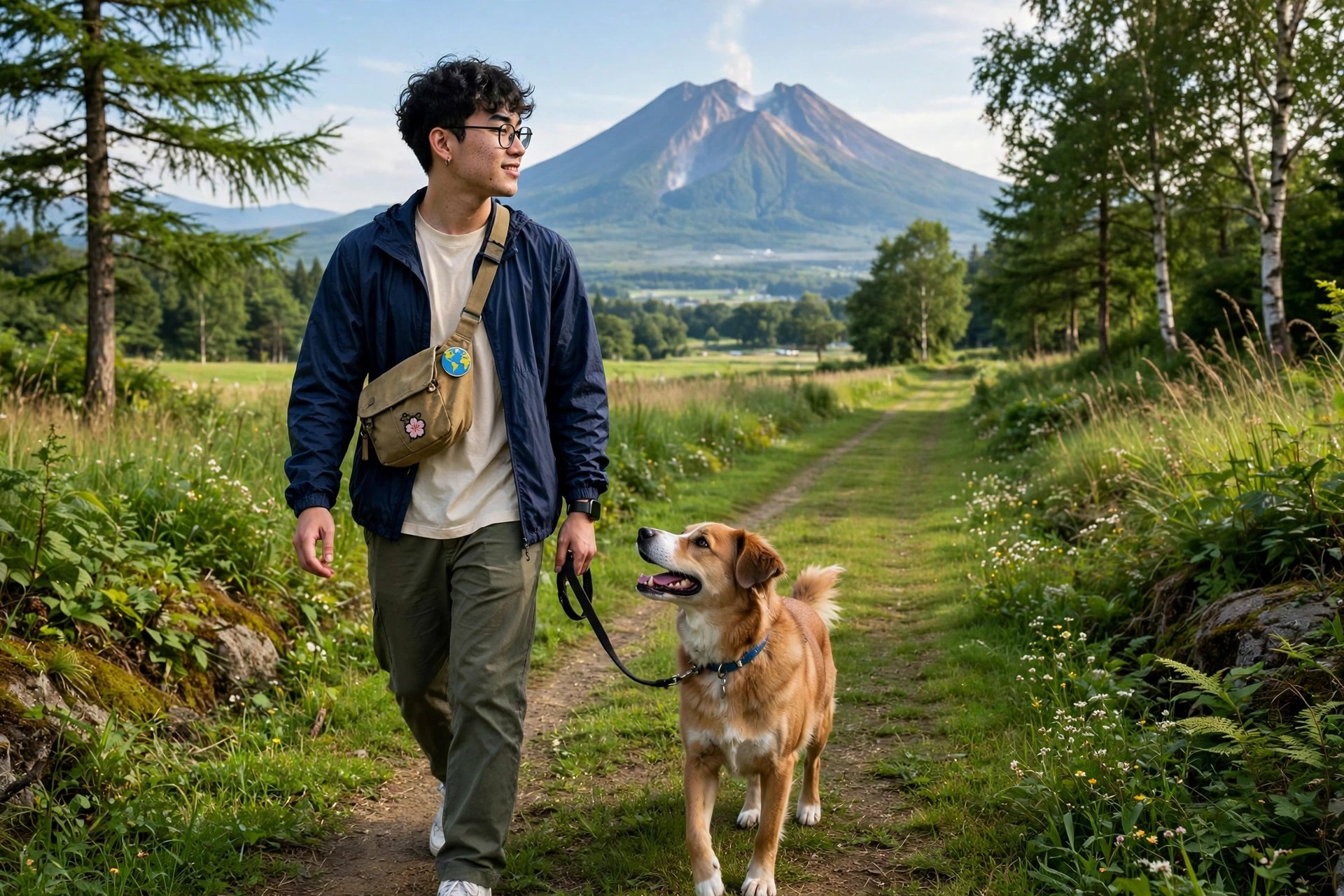
Karuizawa 90 is a 3-month Japanese language program in Japan for visitors from Taiwan and New Zealand first, and also from Europe, North America and the Philippines. Study Japanese on weekdays at a real language school, live in a student dormitory, and spend your afternoons with horses, hot food and mountain air at the foot of Mt Asama.
3-Month Package · Twin Room
¥315,000 JPY
Japanese classes + twin-room student dormitory for 3 months — about US$2,100* Tuition ¥210,000 + dormitory ¥35,000/month × 3. Single-room option ¥360,000 (about US$2,400*). Registration & materials waived at launch. *Approximate at ¥150 = US$1.
This is a short-term stay experience on a temporary visitor basis. It is not a student-visa program and it does not include paid work — please read the honest visa section before you plan.
קארואיזאווה 90 · תוכנית של 90 ימים · מיוטה וקארואיזאווה, נאגנו · יפן
קארואיזאווה 90 — 3 חודשים ביפן: לומדים יפנית, חיים בקארואיזאווה
קארואיזאווה 90 היא תוכנית ללימודי יפנית ביפן במשך 3 חודשים, המיועדת בראש ובראשונה למבקרים מטייוואן ומניו זילנד, וגם מאירופה, מצפון אמריקה ומהפיליפינים. לומדים יפנית בימי חול בבית ספר אמיתי לשפות, גרים במעונות סטודנטים ומבלים את אחר הצהריים עם סוסים, אוכל חם ואוויר הרים למרגלות הר אסאמה.
חבילה ל־3 חודשים · חדר זוגי
¥315,000 ין יפני
שיעורי יפנית ומעונות סטודנטים בחדר זוגי ל־3 חודשים — כ־US$2,100* שכר לימוד ¥210,000 + מעונות ¥35,000 לחודש × 3. אפשרות לחדר יחיד: ¥360,000 (כ־US$2,400*). דמי הרשמה וחומרי לימוד ללא עלות בתקופת ההשקה. *אומדן לפי ¥150 = US$1.
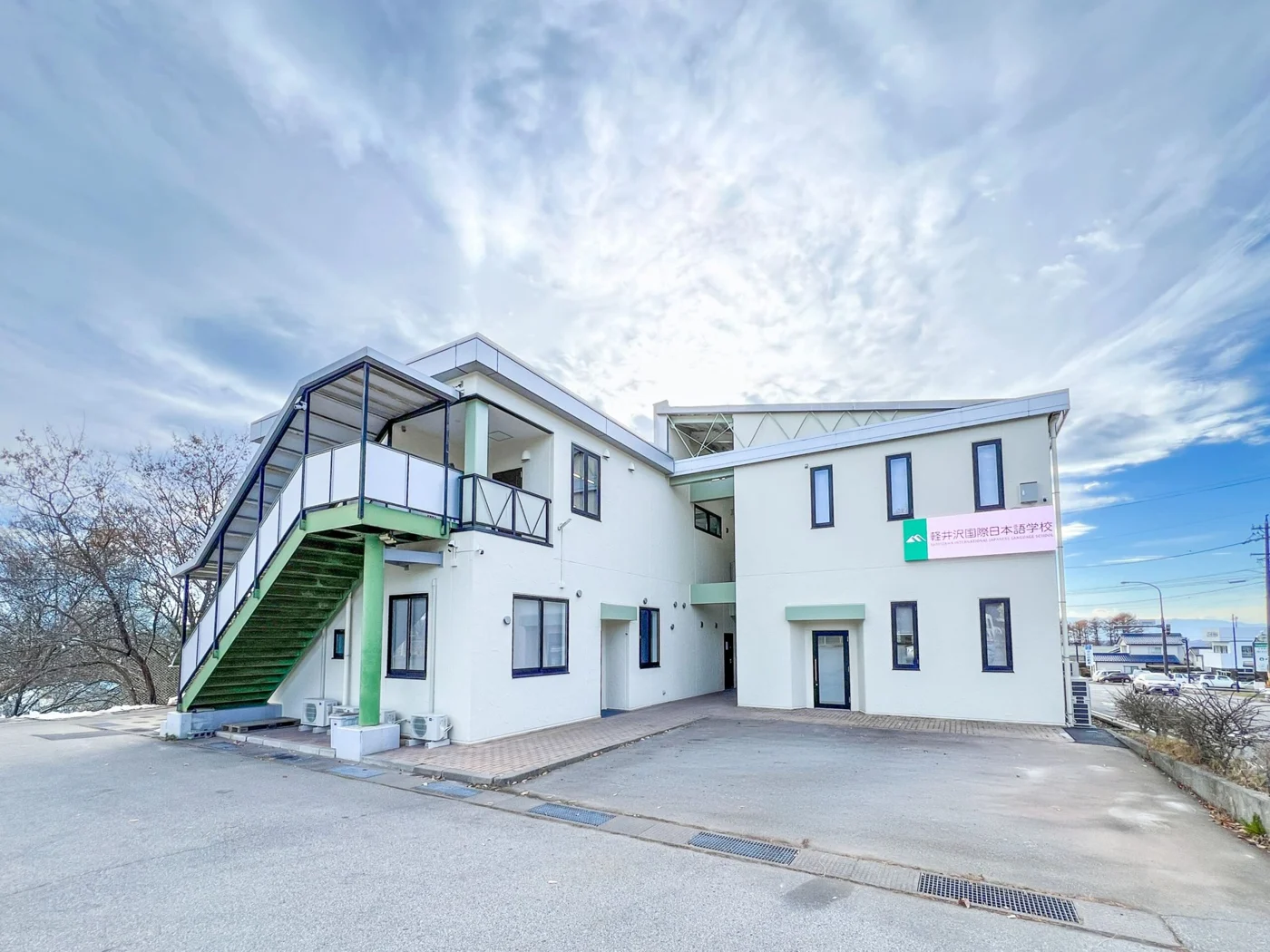
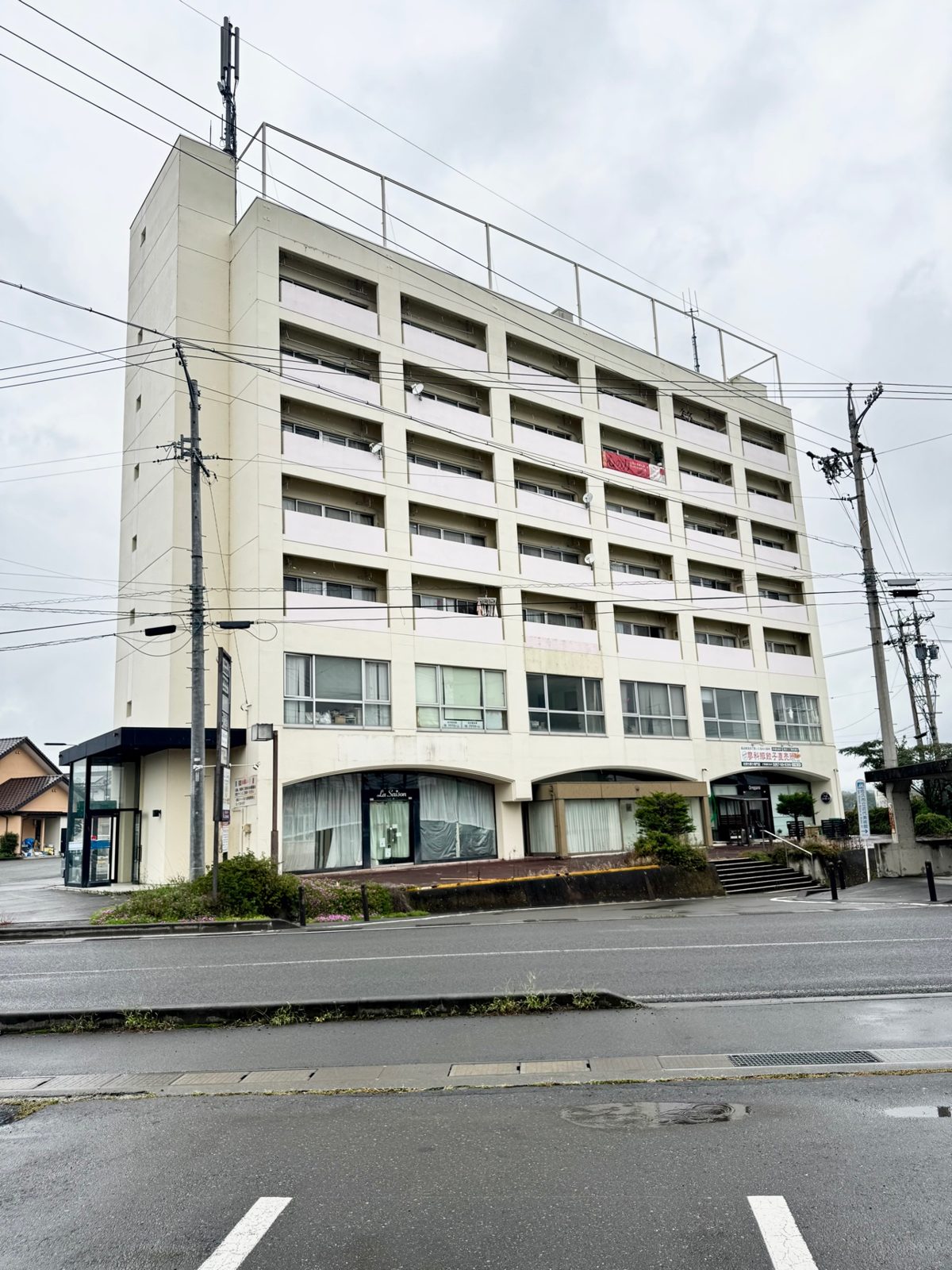
Your base is Karuizawa International Japanese Language School in Miyota, Nagano — part of the Karuizawa International Education Group (KIEG), with classes on weekdays and levels set by consultation.
02
Dormitory included
The ¥315,000 package price includes your twin-room student dormitory for the full 3 months (single-room option: ¥360,000 total), confirmed individually for each applicant — so your two biggest costs are settled before you fly.
03
A ryokan & horse terrace next door
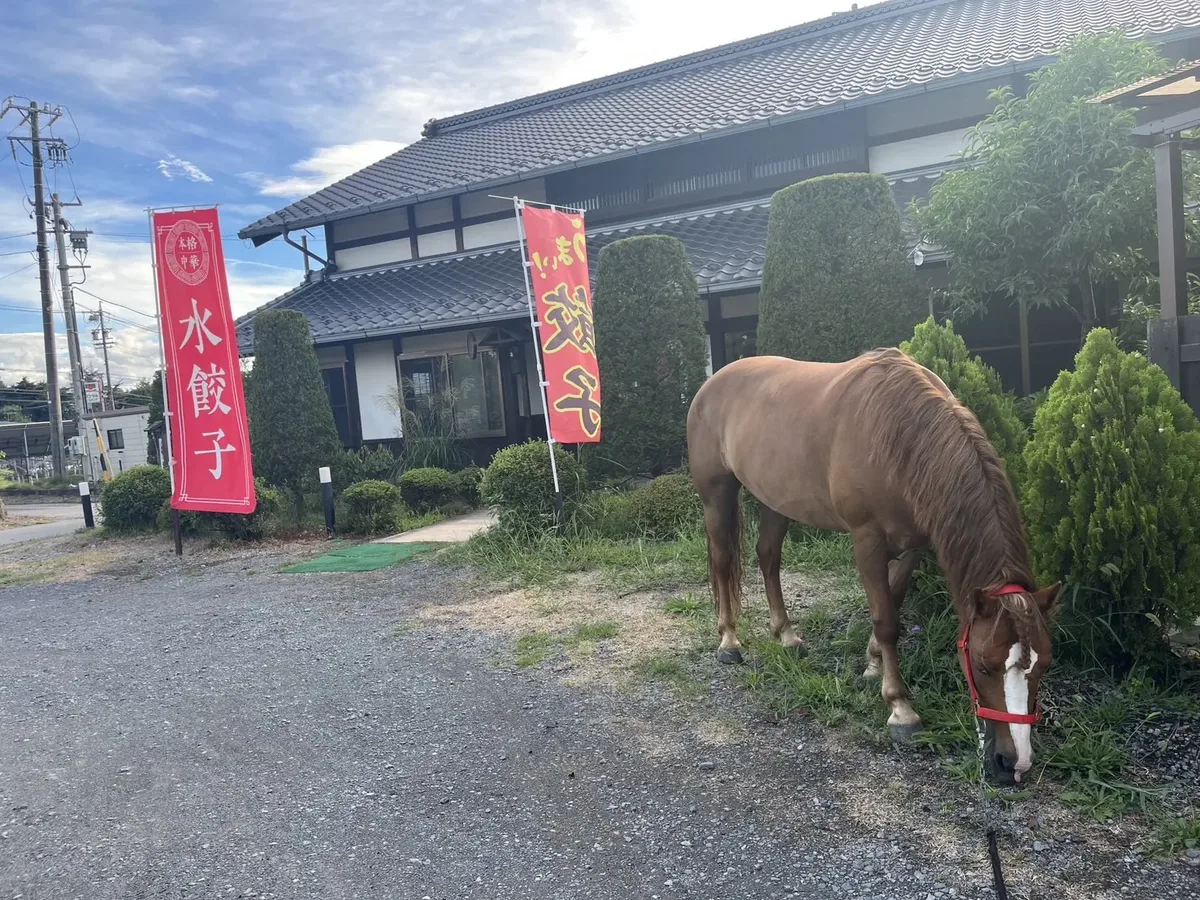
The group also runs Tengu no Chaya ryokan and the neighbouring Nishi-Karuizawa Horse Terrace, so BBQs, horse experiences and Japanese group life are part of your everyday surroundings, not add-on tourism.
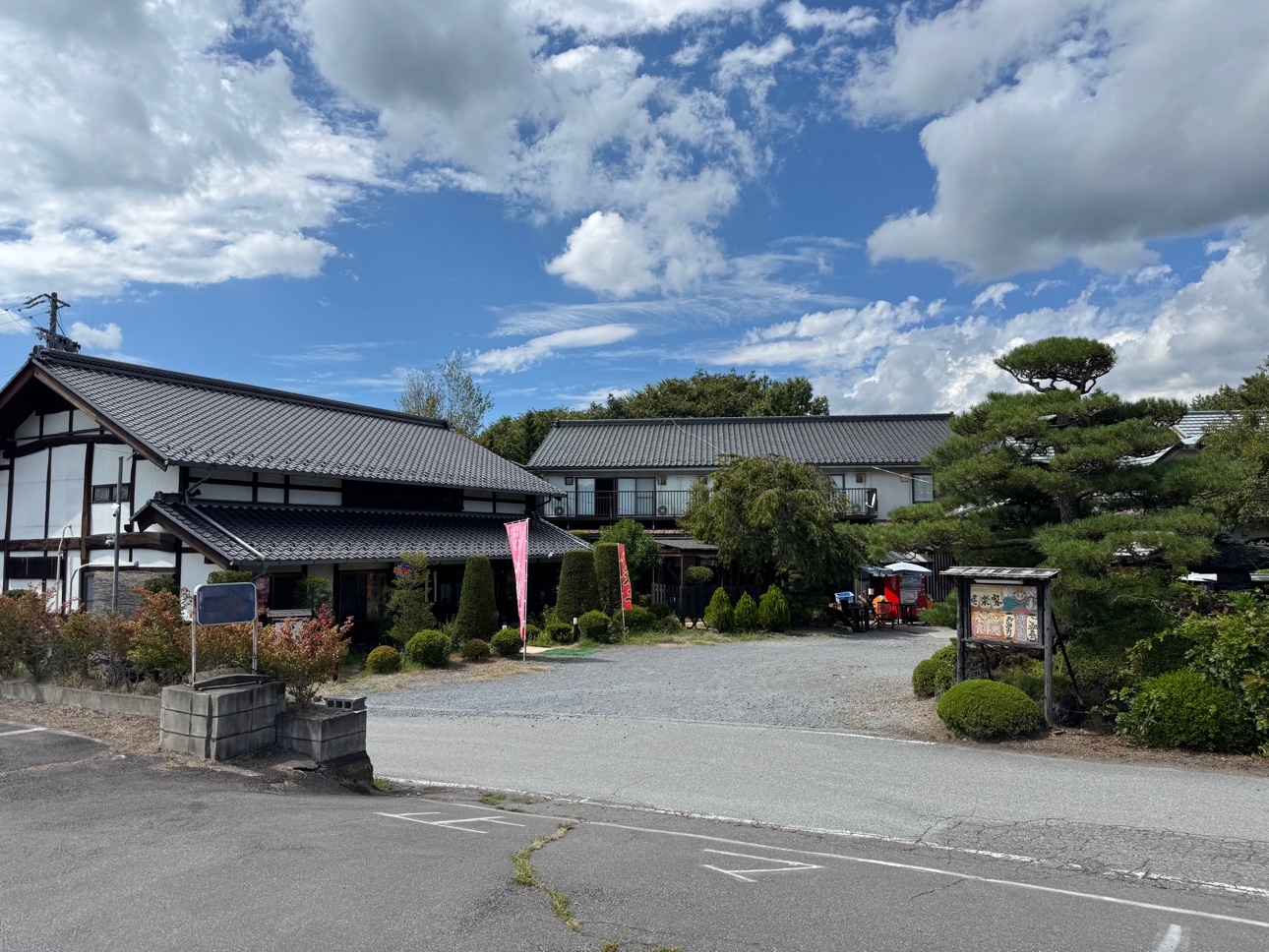
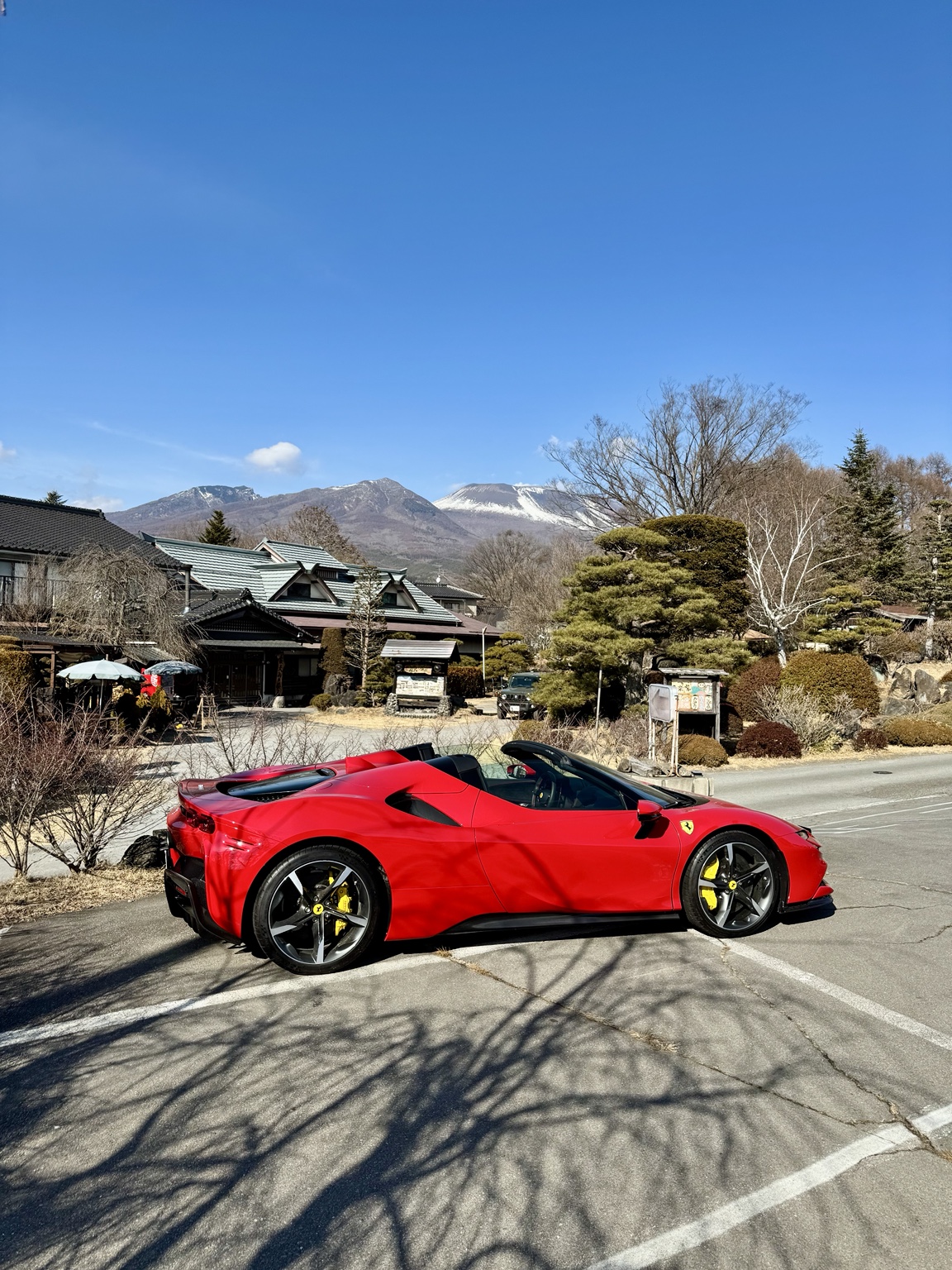
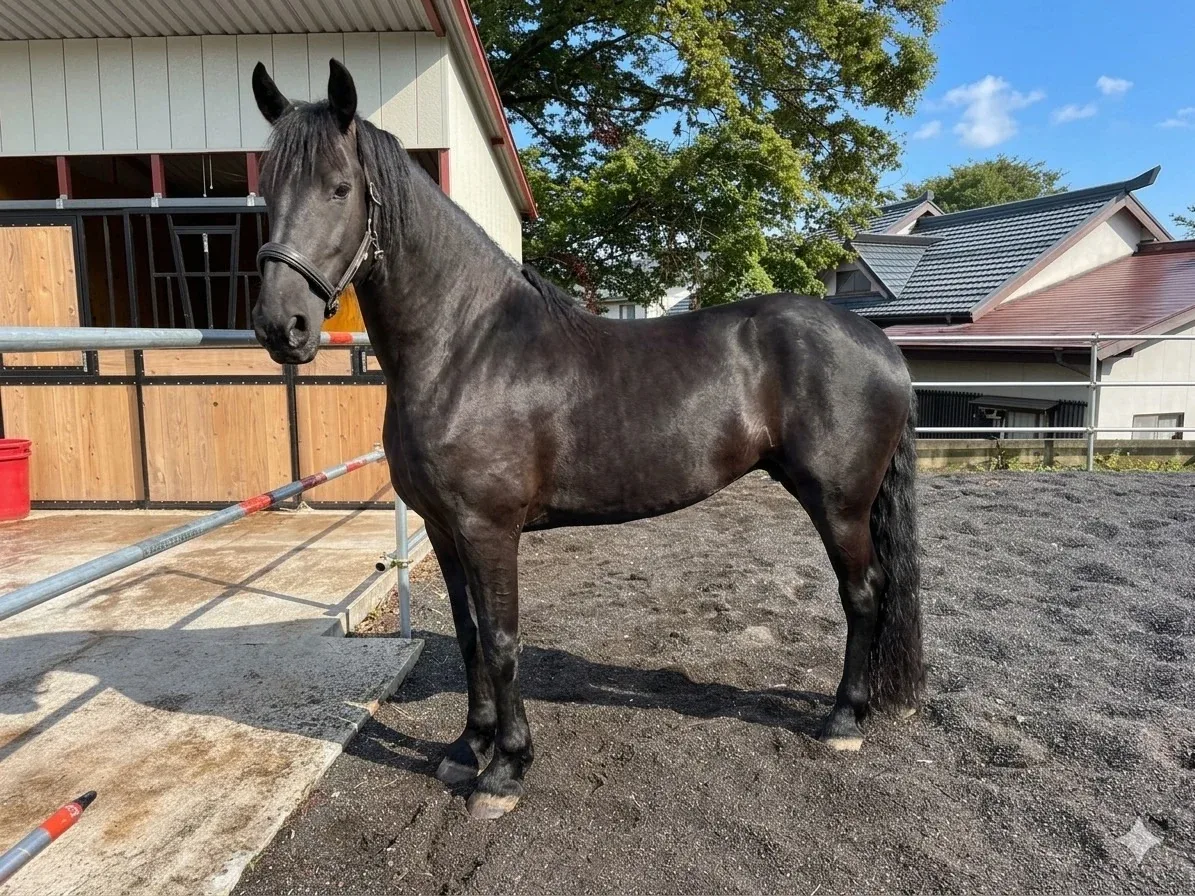
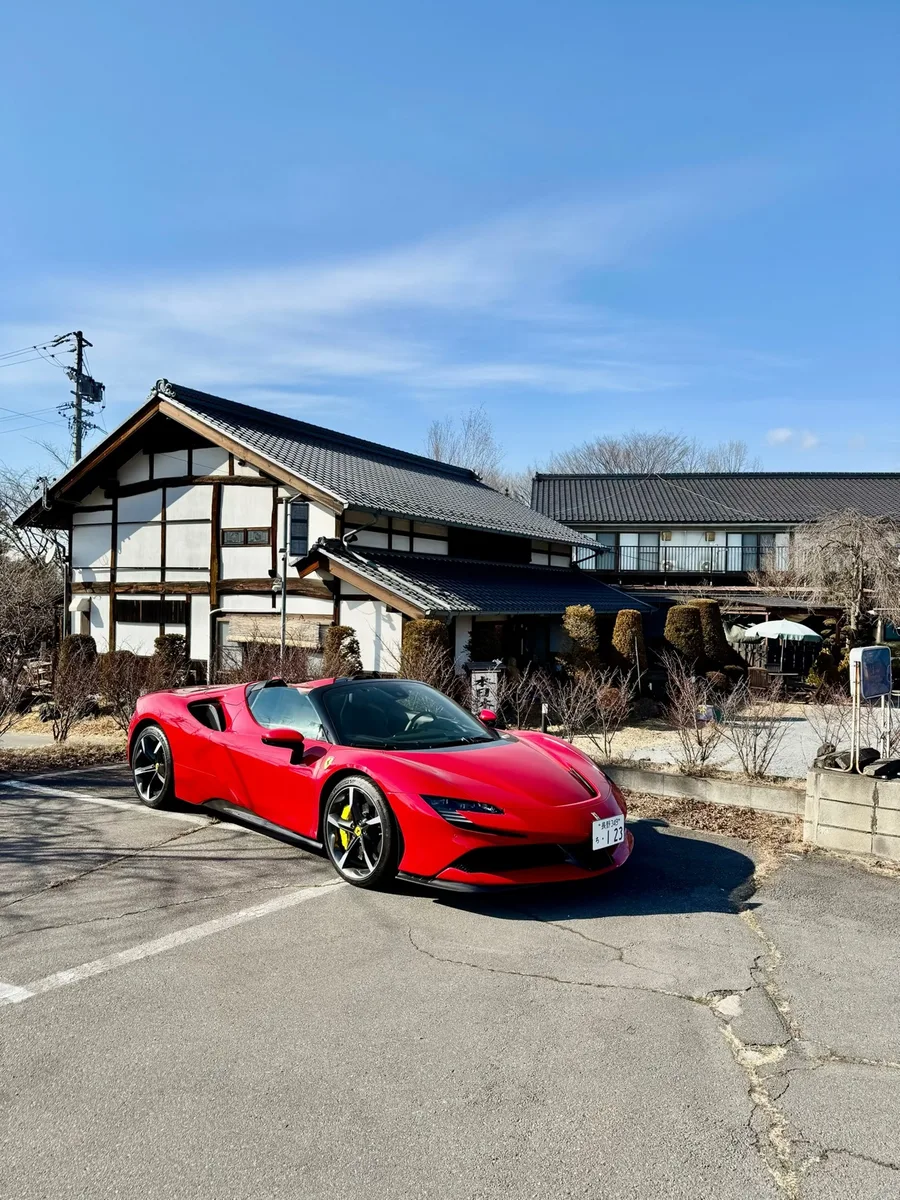
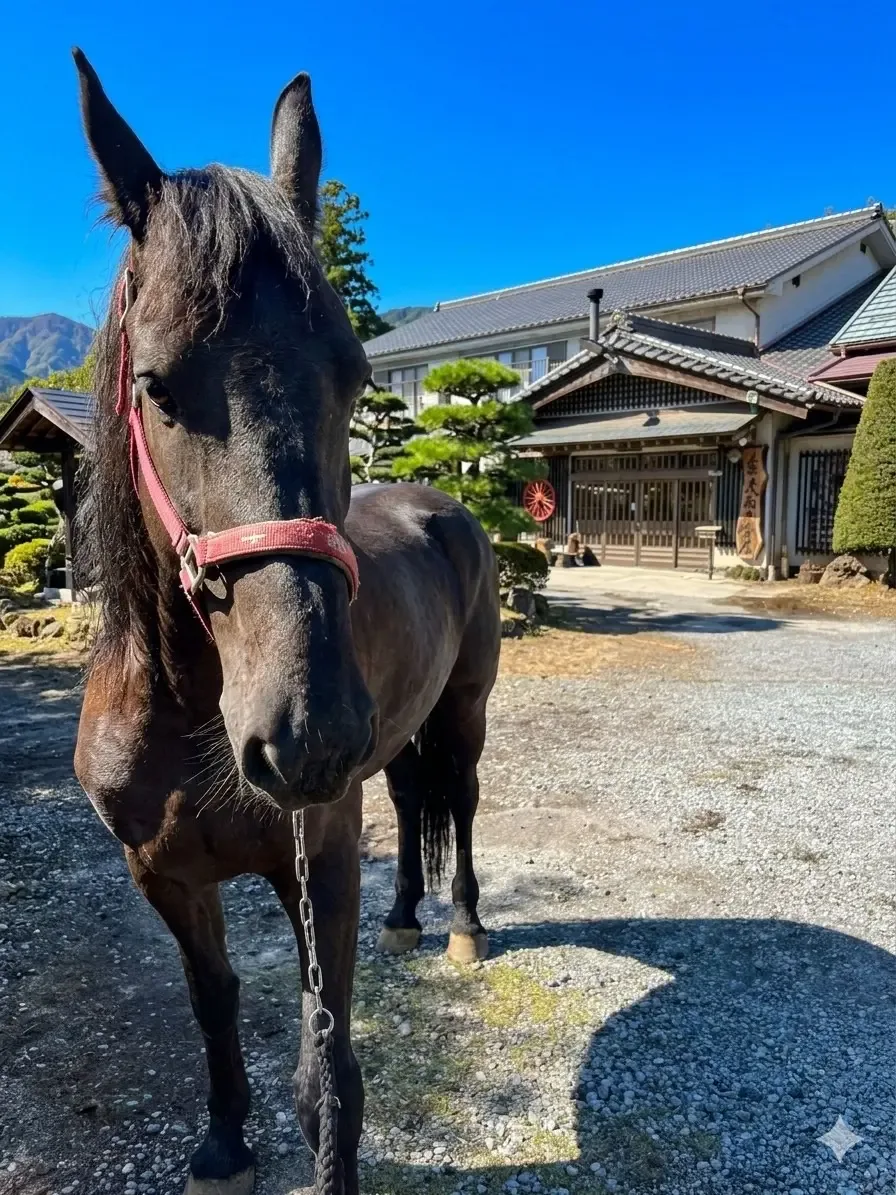
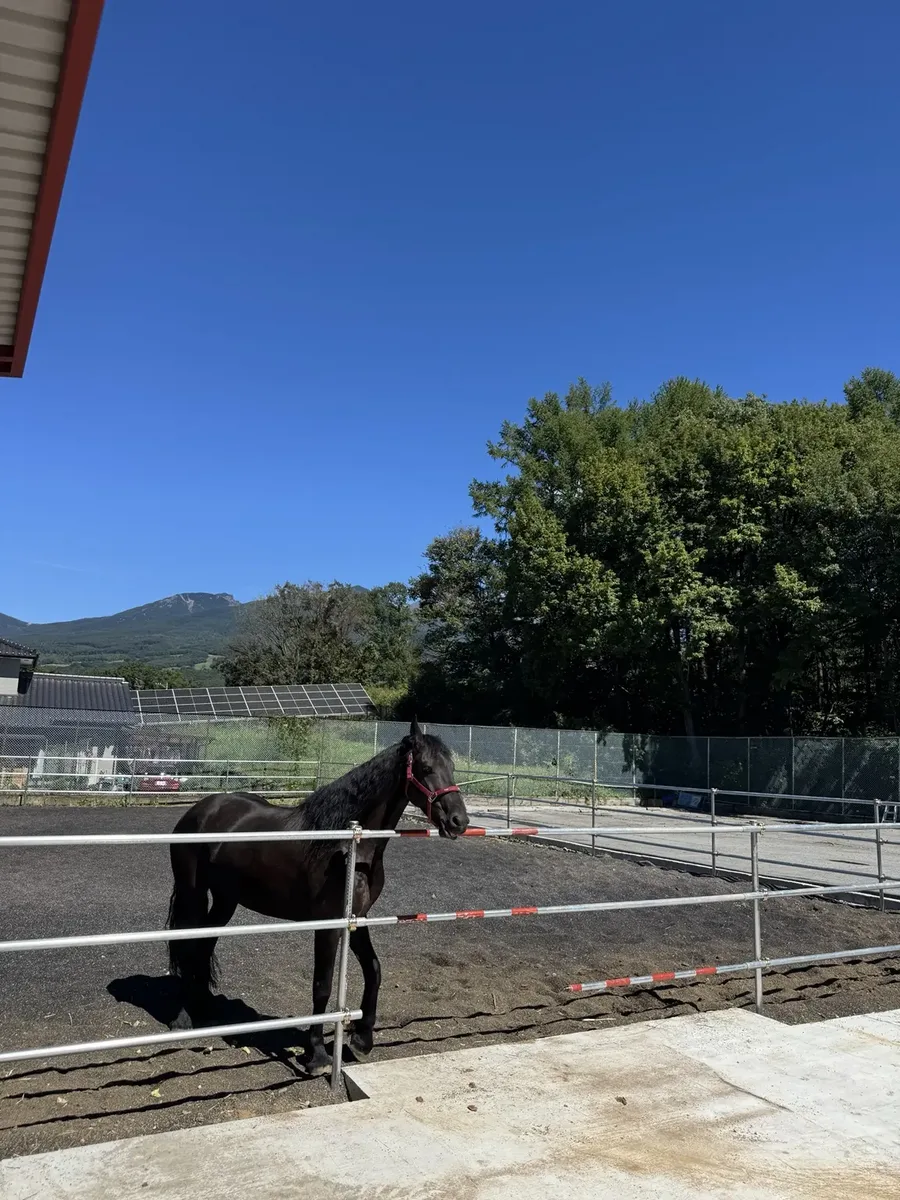
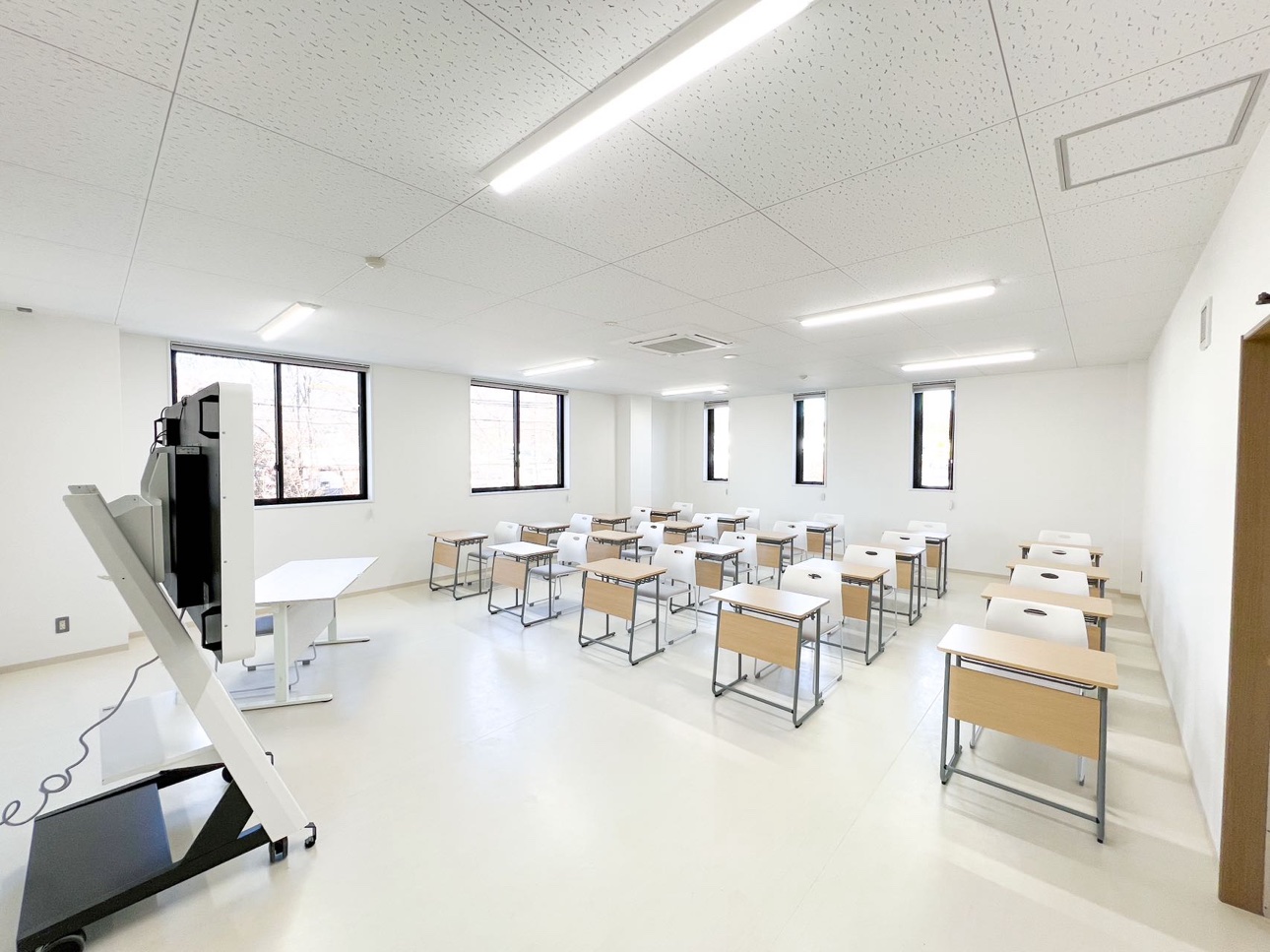
Tengu no Chaya and Mt Asama — the view from the ryokan car park, with the Ferrari SF90 Spider.The Friesian horses of the Nishi-Karuizawa Horse Terrace, next door to the ryokan.Your weekday base: Karuizawa International Japanese Language School in Miyota.
Short-Term Japanese Course in Japan
A Japanese immersion program for adults who want more than a holiday
Most visitors see Japan for ten days. This program gives you a full season: roughly 90 days of living in Miyota, a quiet town in the Karuizawa area of Nagano Prefecture, studying Japanese every weekday and using it every day — at the station, in the supermarket, at the restaurant, with the horses.
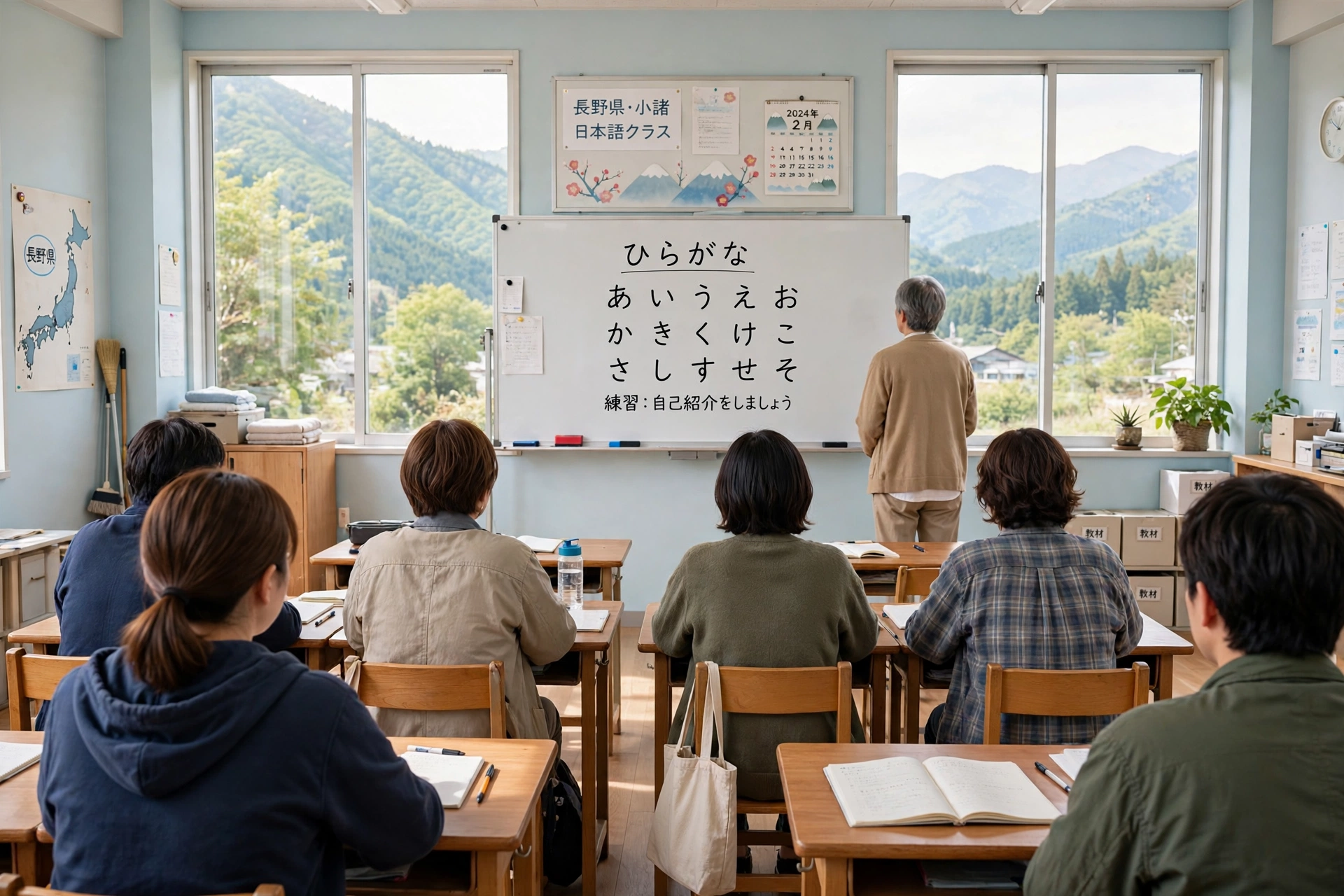
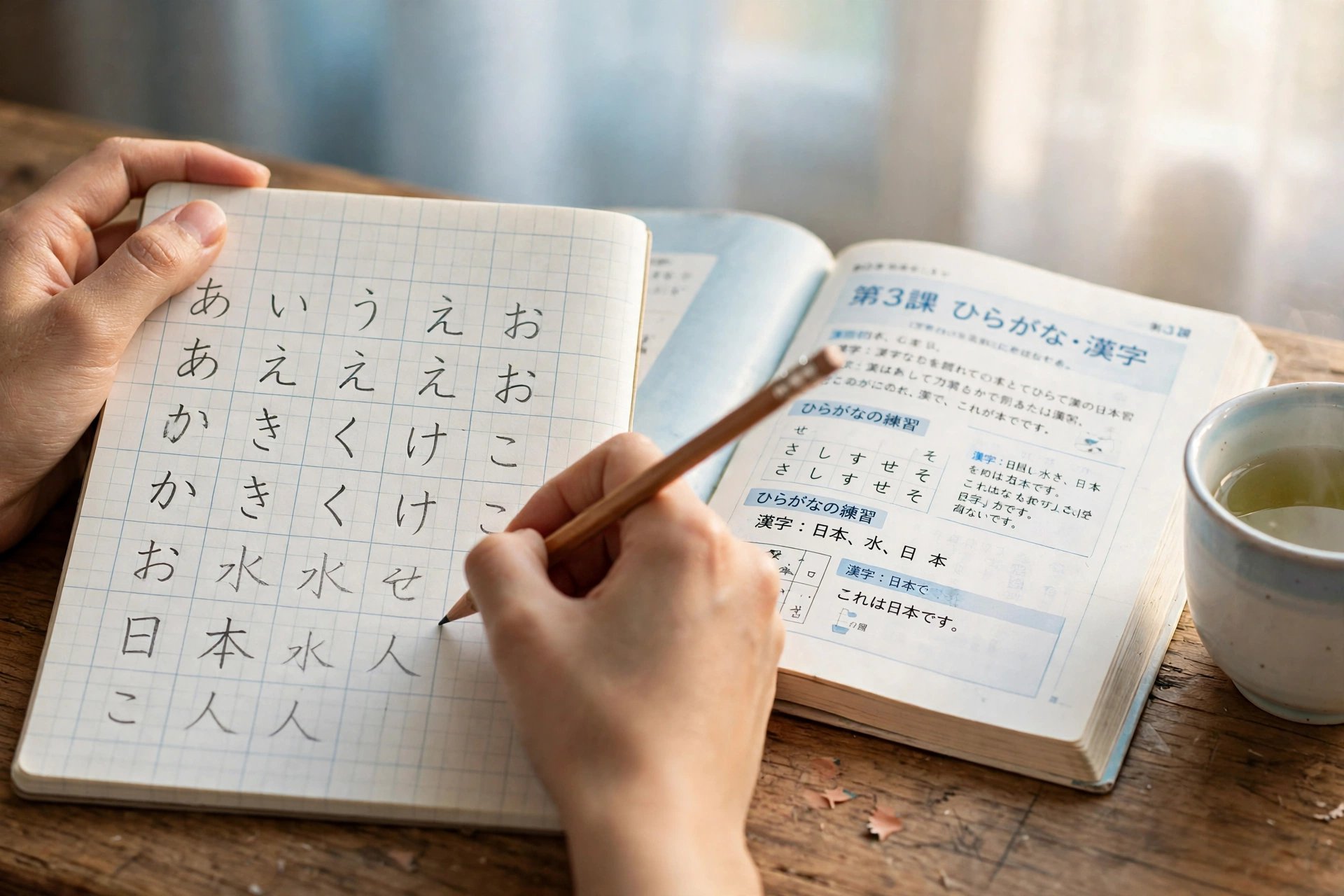
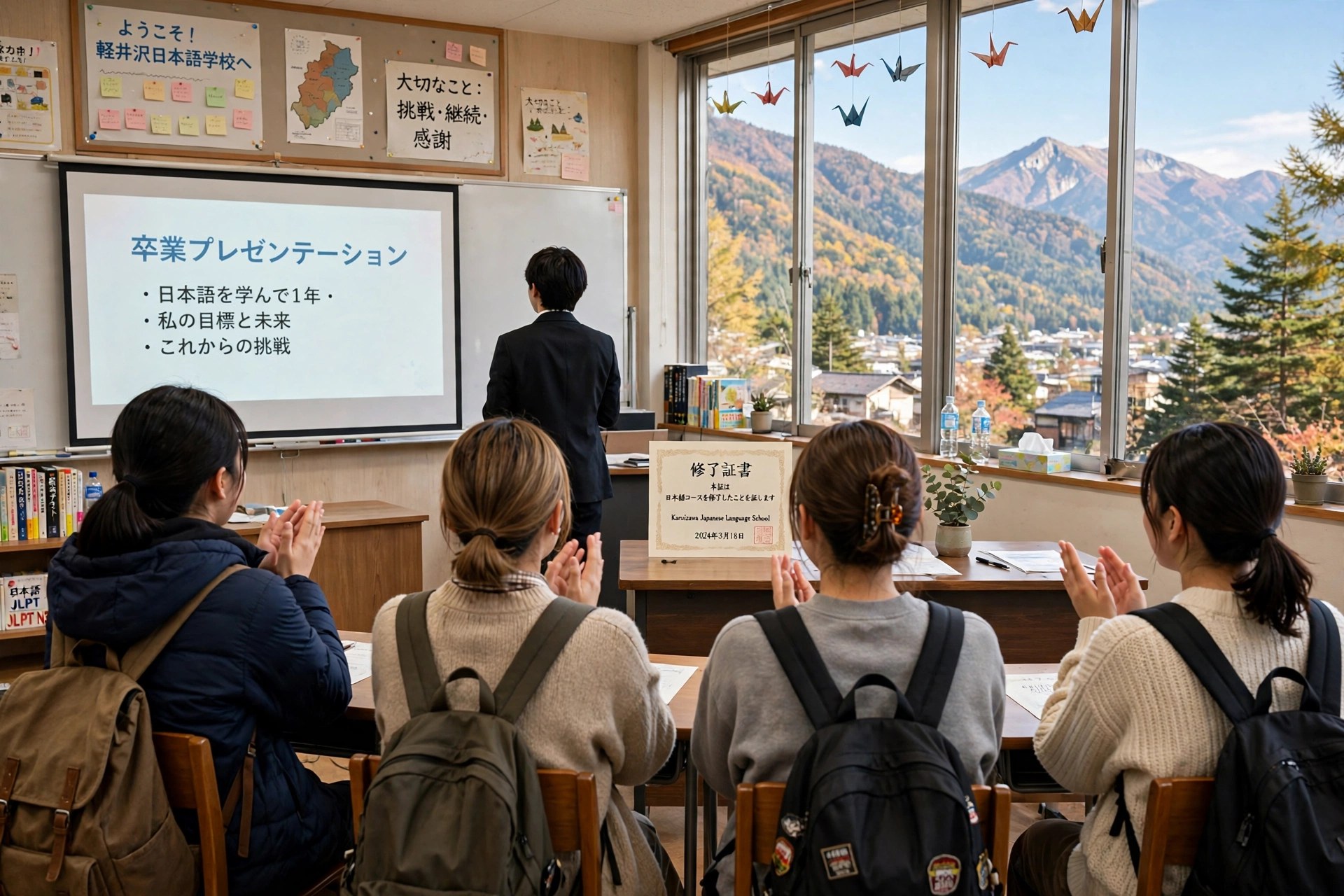
It is designed as a Japanese immersion program for adults: people on a gap year, a career break or a sabbatical, retirees with time to spend properly, and anyone who has studied Japanese at home and wants to find out what it feels like to actually live in it. Classes run on weekdays — you choose 1 to 3 hours of lessons per day, with your level and timetable arranged by consultation before you arrive. There are no classes on weekends, public holidays or school holidays, which leaves your weekends free for the mountains, for Karuizawa, and for the rest of Japan.
Miyota sits about five minutes from Miyota Station and around twenty minutes by car from Karuizawa, one of Japan's best-known highland resort towns, in the shadow of Mt Asama. You get the calm of a small Nagano town — clean air, four real seasons, local shops where people will know your face by week three — with a famous resort town and fast trains to Tokyo within easy reach. If you have been searching for a way to study Japanese in Nagano rather than in a big-city cram school, this is that place.
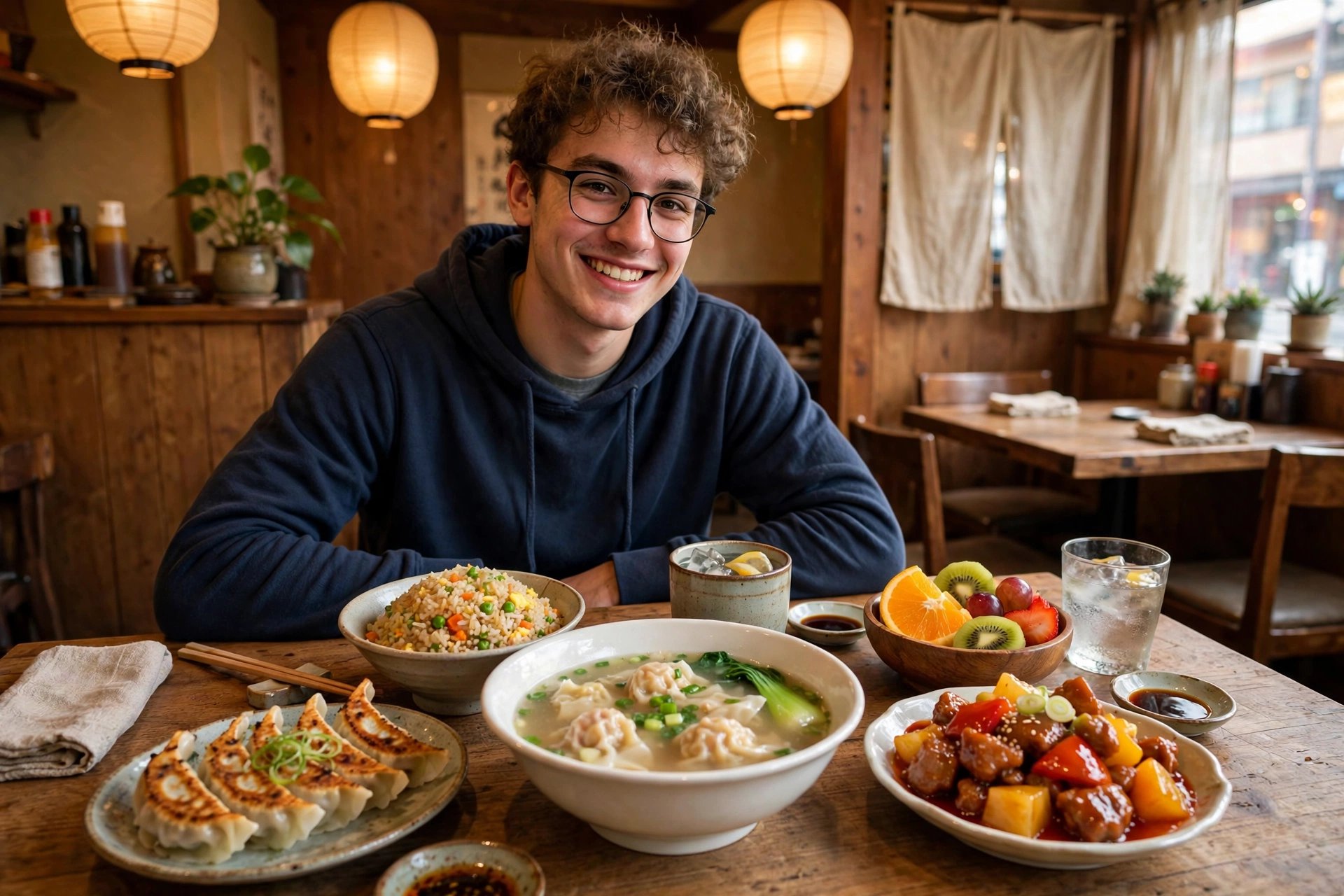
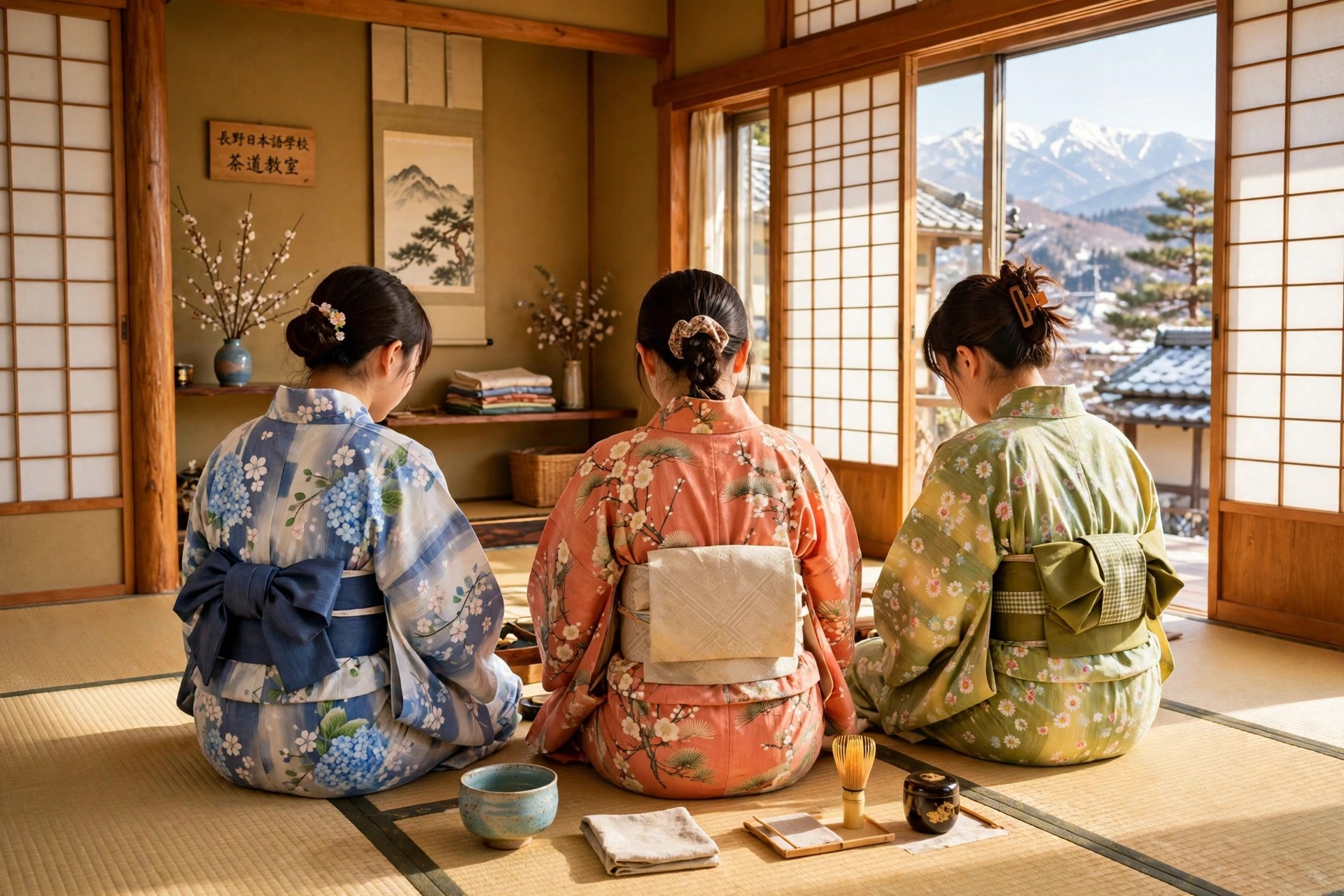
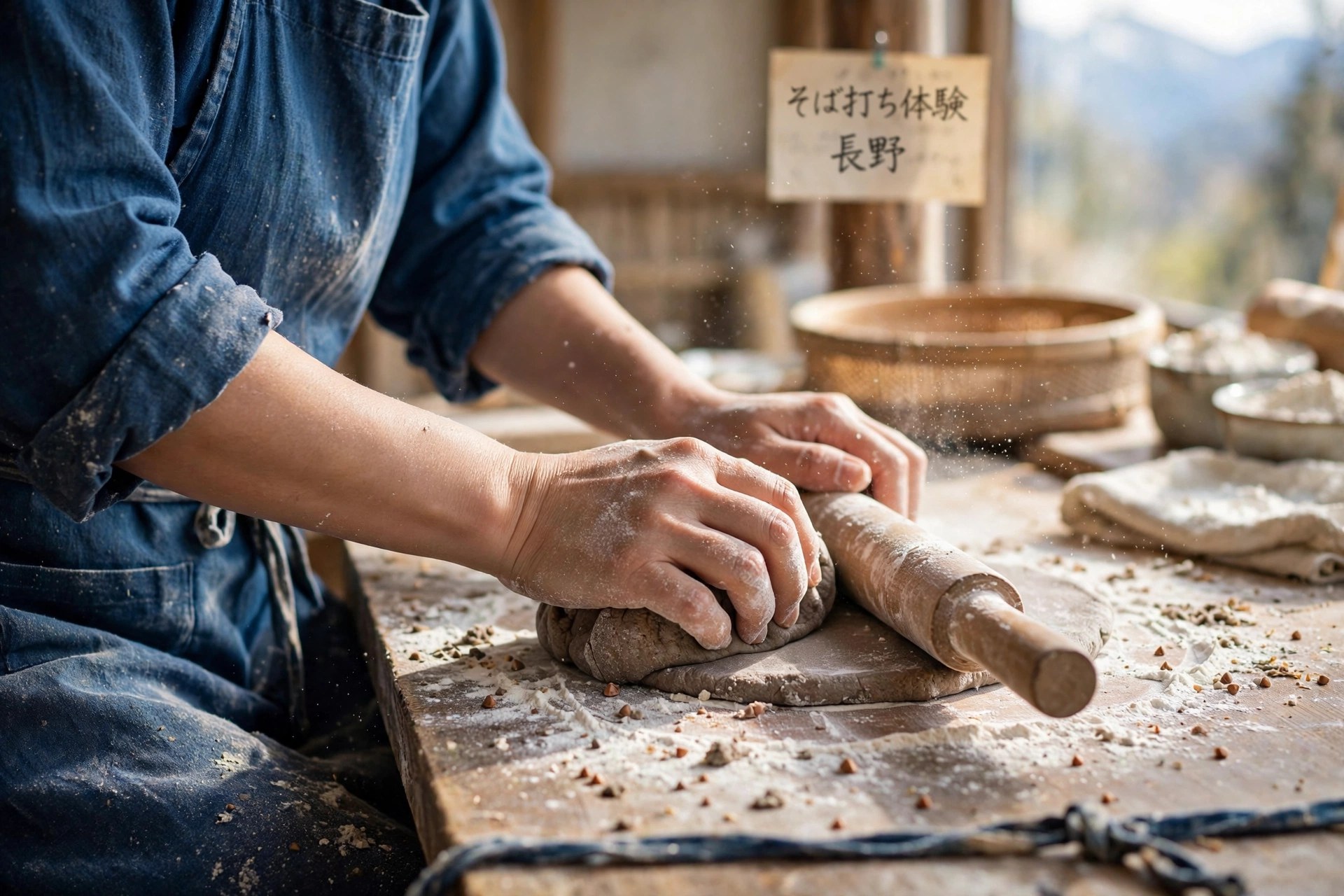
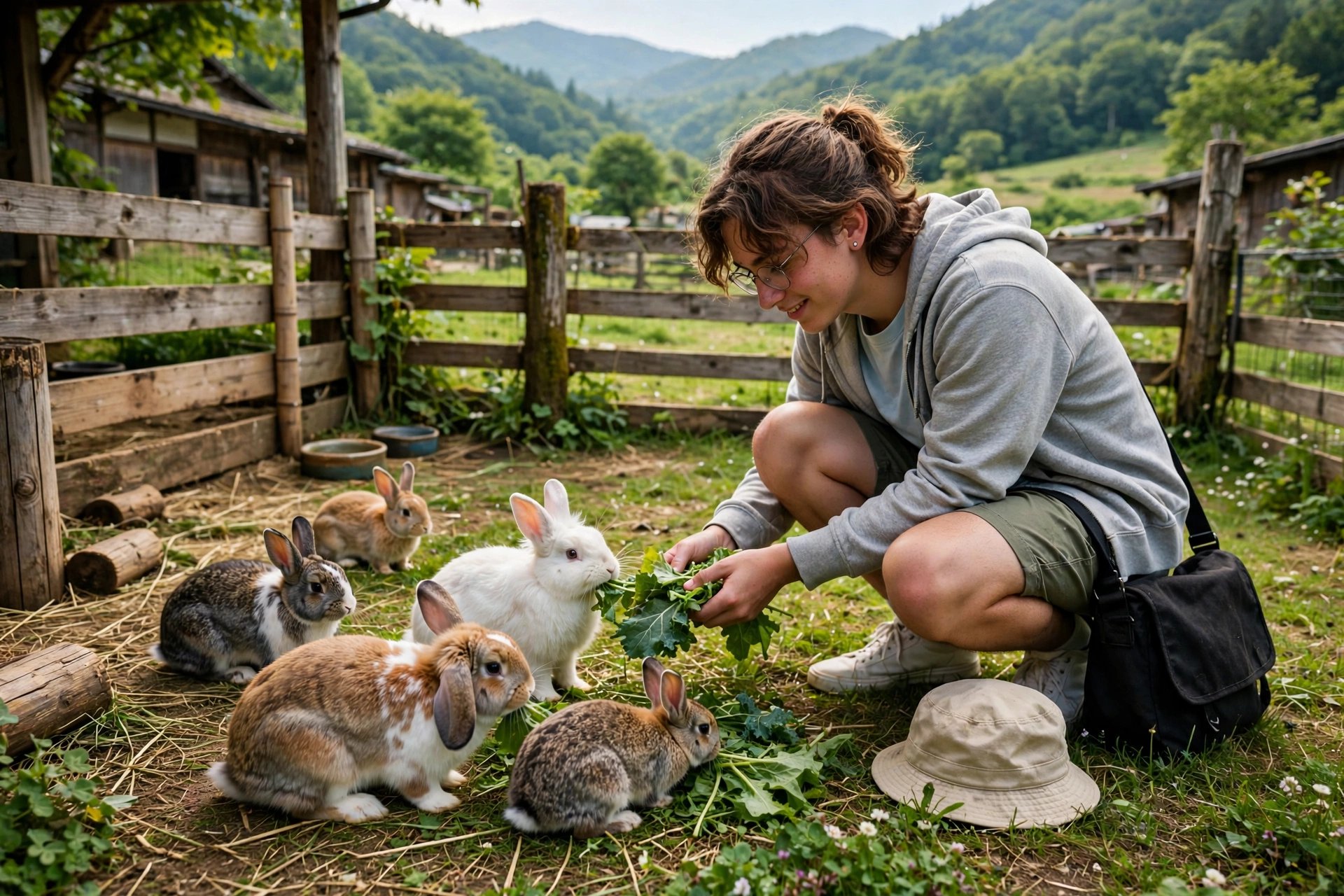
Because the school, the dormitory, the ryokan, the restaurant and the horse terrace are all run by the same group, your Japanese does not stop at the classroom door. Lunch is at Kirakuya, the group's Chinese restaurant at Tengu no Chaya. Weekends can mean a hands-free BBQ, a pony ride, feeding the animals, or a photo session with a Friesian horse. That is what immersion actually means: the language wrapped around a real life, repeated daily for three months.
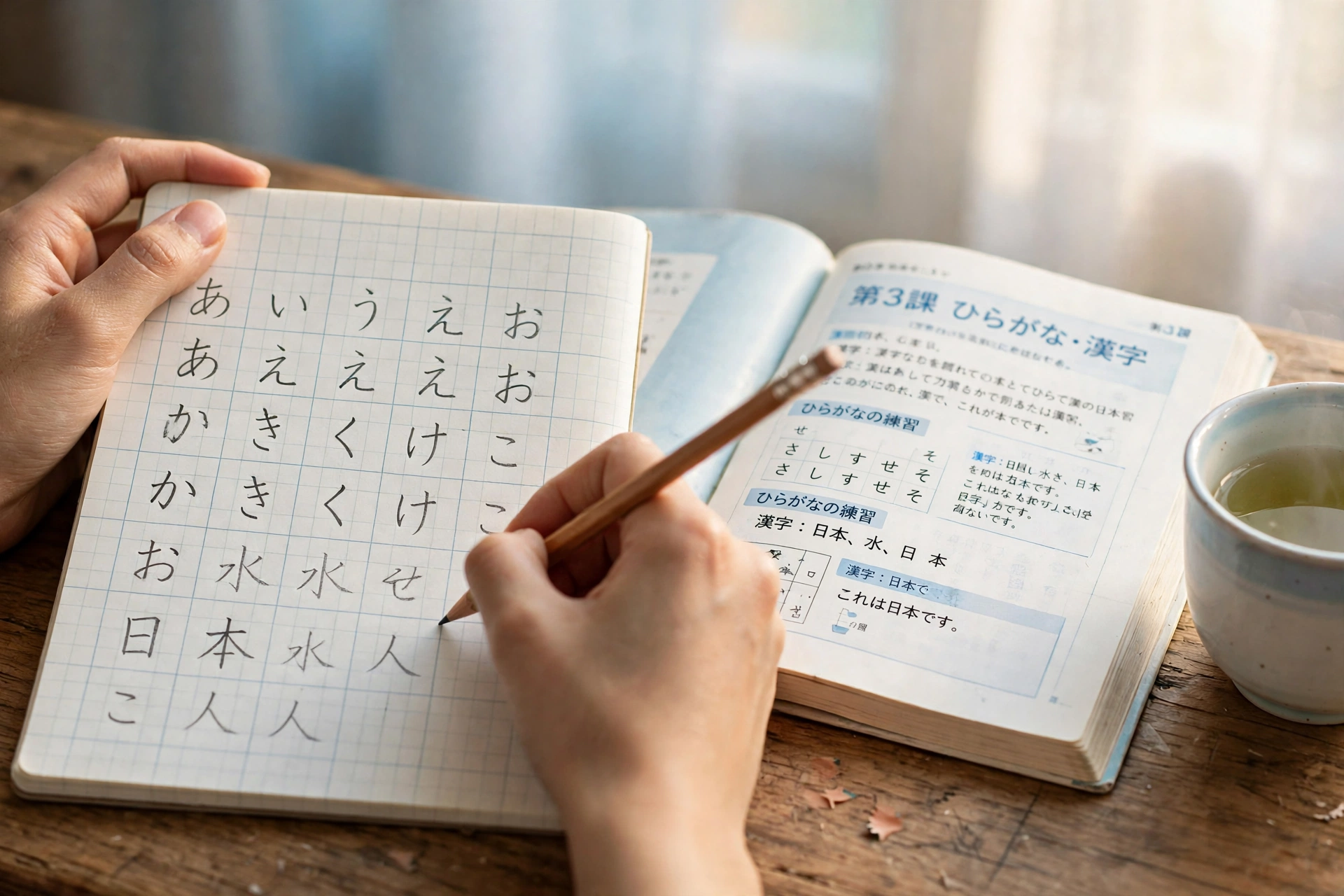
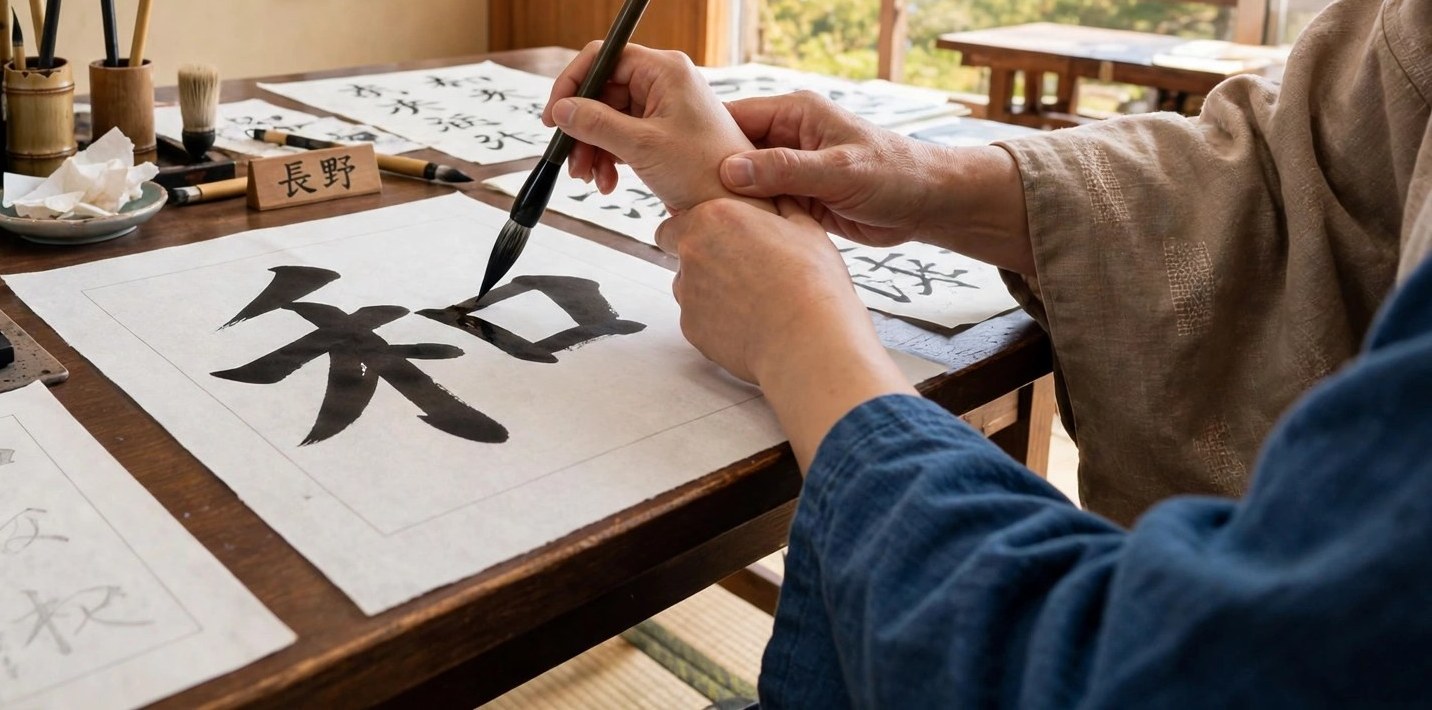
Weekday lessons, 1 to 3 hours a day — the hours are your choice, the level is set around you.Daily practice adds up: three months of writing, speaking and living in Japanese.
Model Course · Month by Month
Your 3 months, planned like a journey
Following the model-course style of our experience programs, here is how a 90-day Japanese immersion experience in Karuizawa typically unfolds.
Month 1
Settle and Start
Asama Plaza Heights — student dormitory in Saku.
Arrival & orientation — move into the student dormitory, learn the town, the station, the supermarket and the school route.
Daily Japanese begins — weekday lessons, 1–3 hours a day, at your level; survival Japanese first: greetings, shopping, trains, restaurants.
First experiences — lunch at Kirakuya, feeding and pony time at the Horse Terrace, your first BBQ at Tengu no Chaya.
First Karuizawa trip — explore the resort town twenty minutes away, in Japanese, with a short list of phrases to use.
Month 2
Live Like a Local
Longer, deeper lessons — build from survival phrases to real conversation; reading signs, menus and messages around town.
Weekly rhythm — classes on weekdays, horse riding, farm and food experiences, and local errands done entirely in Japanese.
Seasonal Japan — depending on your start date: blossom, green highland summer, autumn colours or snow — plus local festivals and markets.
Wider trips — weekends in Karuizawa, Nagano City or Tokyo, planned and navigated by you, in Japanese.
Month 3
Explore and Use Your Japanese
Independent living — by now the town is yours: favourite shops, familiar faces, conversations that last minutes, not seconds.
A personal project — a Japanese journal, a photo diary of your 90 days, or a short final presentation to your teachers and classmates.
One big trip — use a free weekend for a longer journey elsewhere in Japan, booked and handled in Japanese as far as you can.
Farewell at Tengu no Chaya — a final group meal and karaoke in the ryokan's great hall before you head home — or plan your next route, such as Working Holiday where you are eligible.
A Sample Week
What an ordinary week looks like
Classes run on weekdays only. You choose 1 to 3 hours of lessons per day; your level and exact schedule are arranged by consultation, so treat this as a sample rhythm, not a fixed timetable.
Day
Morning
Afternoon
Evening
Mon – Fri
Class Japanese lesson, 1–3 hours at your level
Self-study, errands in town in Japanese, or an optional experience (Horse Terrace, BBQ, riding — priced separately)
Dormitory life, cooking or dinner out, review the day's Japanese
Saturday
No classes. Day trips to Karuizawa, seasonal experiences at Tengu no Chaya and the Horse Terrace, or a longer trip — Nagano City, Matsumoto, or Tokyo by train.
Sunday
No classes. Rest, local walks under Mt Asama, laundry and shopping for the week, journal or project time.
There are no classes on weekends, Japanese public holidays, or school holidays. Meals, experiences and transport are charged separately from tuition — full prices are listed in the budget section below so you can plan honestly.
Price & What Is Included
The 3-month price, stated plainly
The 3-month package is ¥315,000 with a twin-room dormitory — about US$2,100 at ¥150 = US$1 — itemised below so you can see exactly where the money goes. It covers tuition and your dormitory; it is not an all-inclusive total for your whole stay (flights, meals and experiences are separate), and this page will not pretend otherwise. A single-room option is available at ¥360,000 total (about US$2,400).
How the ¥315,000 is built up
Tuition, 3 months: ¥210,000
Student dormitory, twin room: ¥35,000/month × 3 = ¥105,000
Registration fee & course materials: ¥0 — waived for the launch period
Total, twin room: ¥315,000 JPY (about US$2,100*) for the full 3-month Japanese language program in Japan.
Single-room option: dormitory ¥50,000/month × 3 = ¥150,000, package total ¥360,000 (about US$2,400*).
Karuizawa 90 starts with 30 or 60 days too — shorter stays at the same rate (twin room): 1 month ¥105,000 · 2 months ¥210,000 · 3 months ¥315,000.
How it compares: the cheapest comparable Tokyo route on major school listings is about ¥192,000 tuition alone, plus about ¥191,000 for a 3-month twin dormitory contract — about ¥383,000 in total, tuition-only prices that do not include housing. At ¥315,000 including the dormitory, this package is about 18% below that total. Comparable Tokyo schools also charge registration and materials separately; here both are waived at launch. *US dollar figures are approximate, at ¥150 = US$1.
Included in the ¥315,000 package
Tuition for Japanese classes on weekdays for 3 months — ¥210,000; choose 1 to 3 hours per day, level and schedule by consultation
Student dormitory, twin room, for 3 months — ¥35,000/month (¥105,000 total), confirmed per applicant. Single-room option: ¥50,000/month, package total ¥360,000
Registration fee and course materials — ¥0, waived for the launch period (comparable Tokyo schools charge these separately)
Orientation on arrival: the school, the town, transport and daily life in Miyota
Support from the KIEG group locally — school, ryokan, restaurant and horse terrace under one roof
Not included — budget separately
Flights to and from Japan, and travel to Miyota, Nagano
Visa application fees, where your nationality requires a visa
Travel and medical insurance for your stay (arrange your own cover)
Meals — priced per meal at Kirakuya and elsewhere; see the price list below
Experiences at Tengu no Chaya and the Horse Terrace — priced per item below
Local transport, personal shopping and trips elsewhere in Japan
Where you will live — the student dormitories
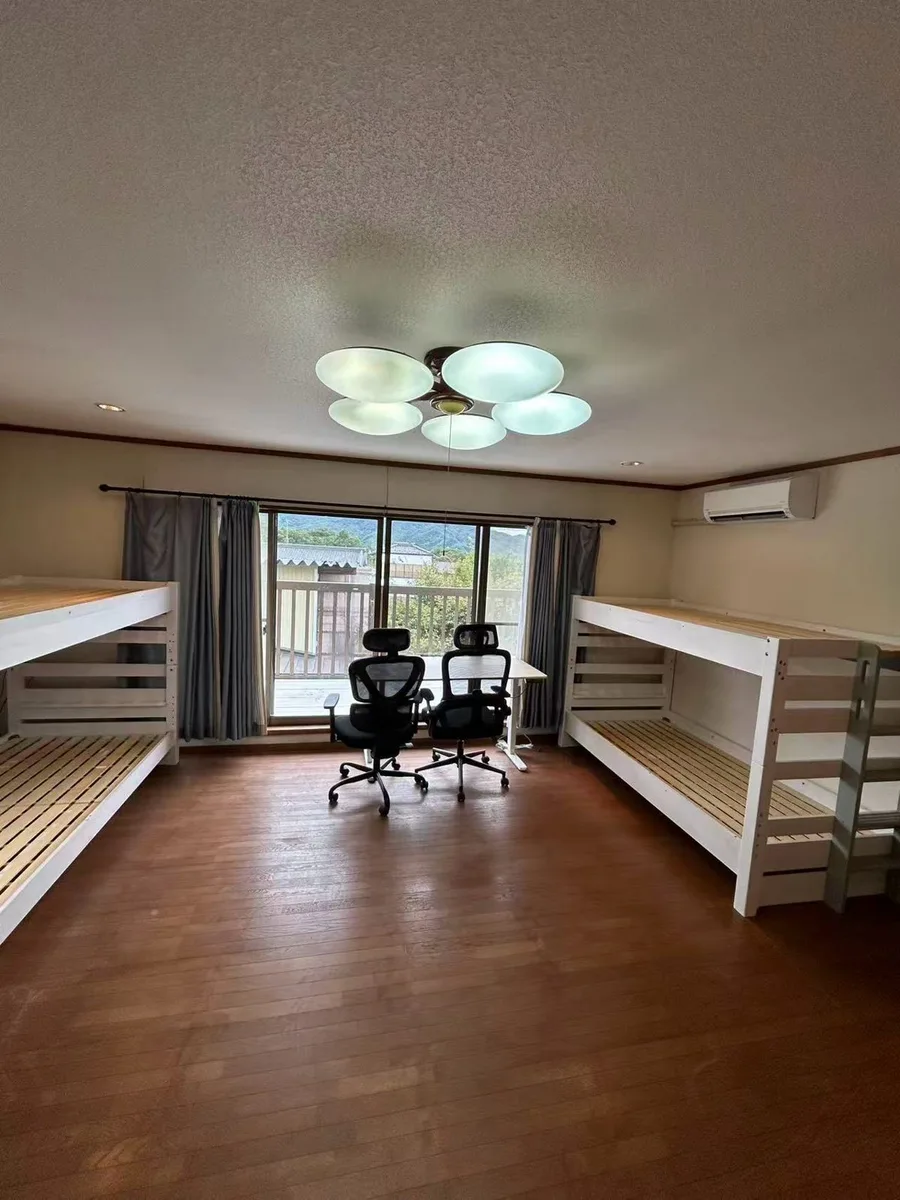
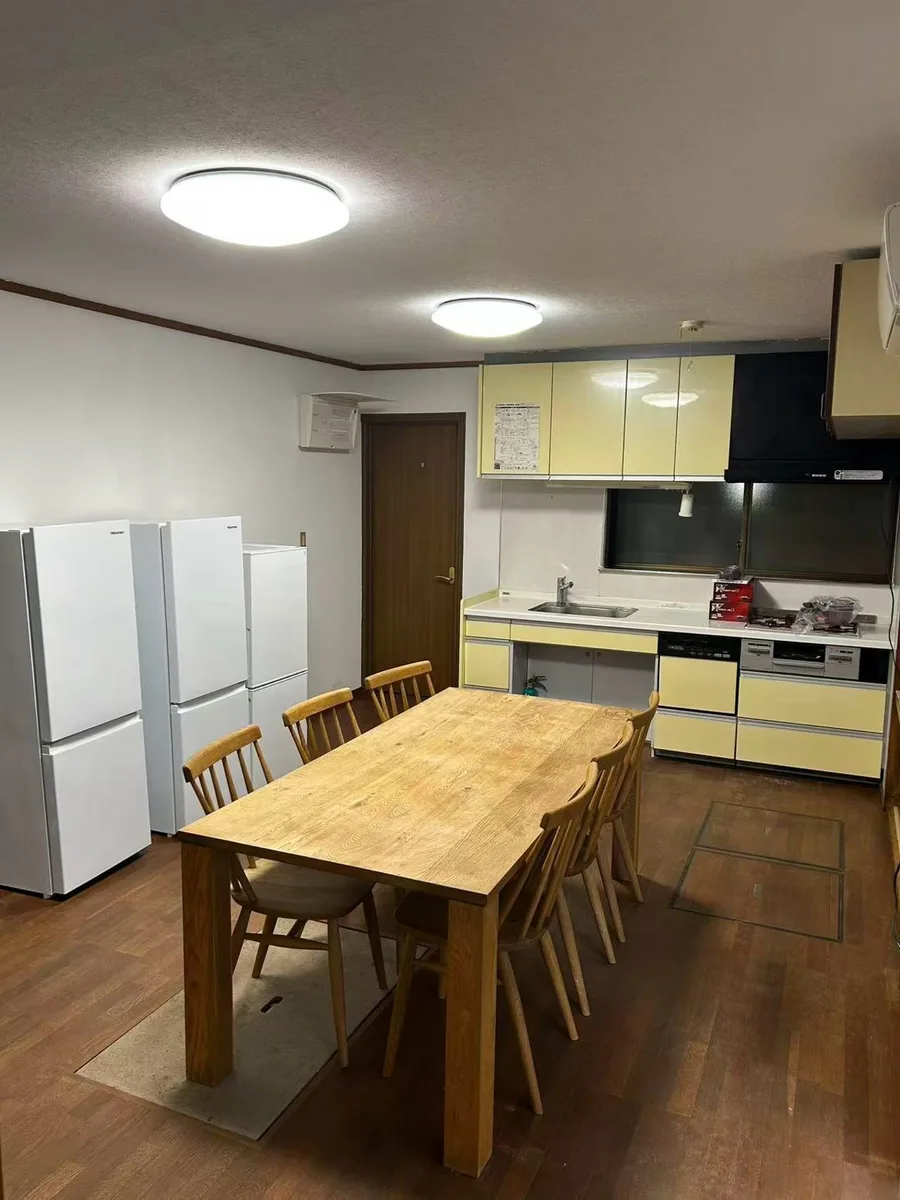
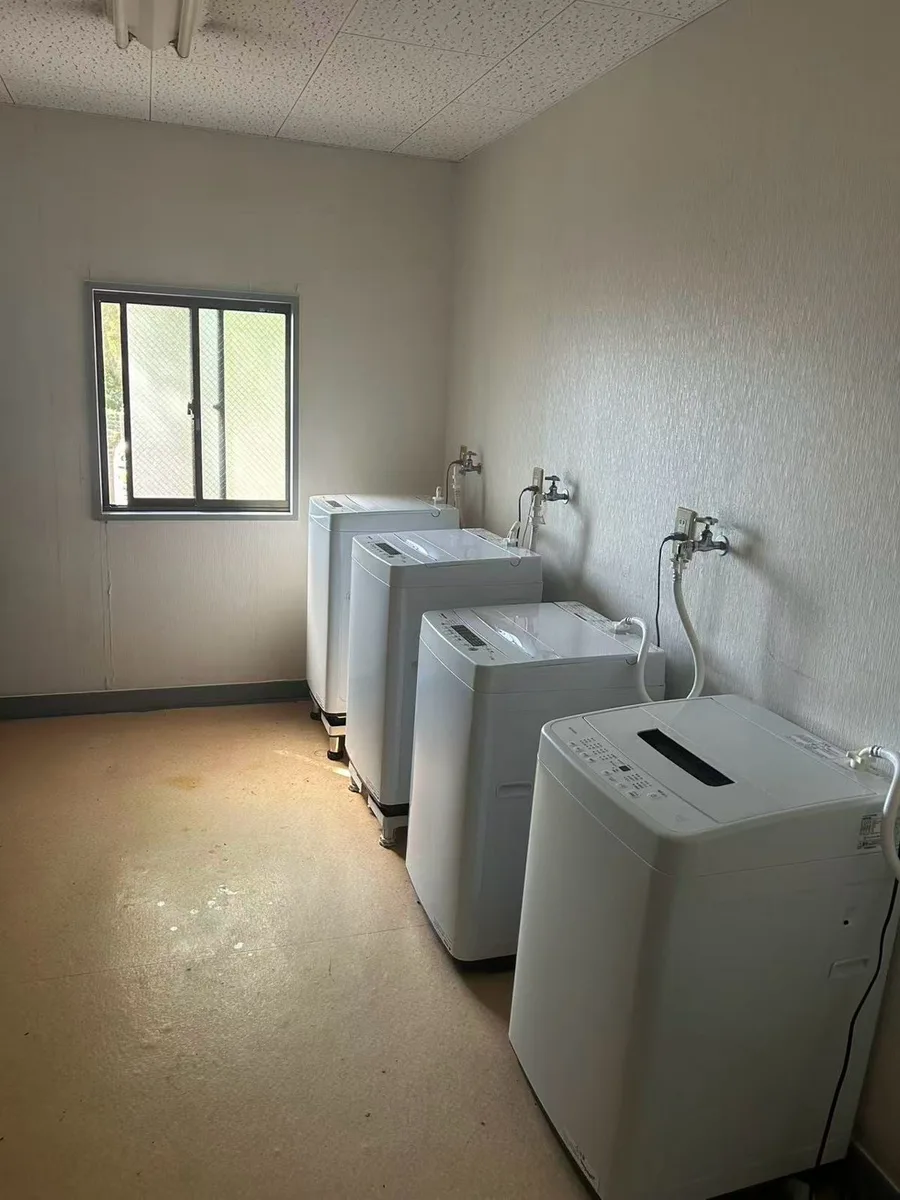
KIEG runs its own student dormitories in the Miyota and Saku area — the group's education residences, photographed below as they really are. Rooms come with study desks; shared kitchens, dining space, laundry and washrooms support everyday life, and the school team handles move-in and daily support. Your residence and room type (twin room included in the ¥315,000 package; single room in the ¥360,000 option) are confirmed individually before payment.
Asama Plaza Heights — student dormitory in Saku.Shared rooms with study desks — space to live and to study.Shared kitchen and dining space for cooking and eating together.Laundry room — the unglamorous details of real daily life, covered.
Where we are
Budgeting your 3 months in Japan: real meal & experience prices
So you can work out the true cost of 3 months in Japan, here are the actual published prices at the group's own facilities. A simple example: lunch at Kirakuya five days a week is ¥1,200 × 5 = ¥6,000 a week; a BBQ with friends is ¥3,300 a person; a pony ride is ¥1,000. Mix cooking in the dormitory area, local restaurants and these experiences to suit your own budget.
Tengu no Chaya — meals & experiences
The group's ryokan in Miyota. Prices in JPY, tax included unless noted. Photo and ride experiences are by reservation.
Breakfast at Kirakuya (Chinese restaurant)
¥1,200 / person
Lunch at Kirakuya
¥1,200 / person
Dinner at Kirakuya
¥1,500 / person
Hands-free BBQ (everything provided)
¥3,300 / person
Hands-free BBQ with all-you-can-drink
¥5,000 / person
Group stay at the ryokan
¥6,600 / person + ¥200 lodging tax
Karaoke in the great hall
¥5,000 / banquet
Ferrari SF90 Spider photo session, 15 min
¥5,500 / group (max 4)
Friesian horse photo session, 15 min
¥6,600 / group
Ferrari + Friesian combined photo, 30 min
¥11,000 / group
Stay with your pet
¥5,000 / pet (excl. tax)
Car camping
from ¥3,300 / vehicle / night*
*Car camping is in preparation and by prior consultation. Group / banquet enquiries: 0267-46-9877. BBQ & restaurant: 0267-32-2142.
Nishi-Karuizawa Horse Terrace
The neighbouring animal and riding facility next to Tengu no Chaya — a separate facility with its own prices, in JPY.
Entry
¥500
Animal feeding
¥300 / cup
Pony ride — 1 lap
¥1,000
Pony ride — 2 laps
¥1,500
Friesian horse photo
¥500 / group
Petting & photo with the animals
¥1,000 / group
Dog-walking experience, 15 min
¥500
Dog-walking experience, 30 min
¥1,000
Beginner riding lesson, 15 min
¥2,500
Riding, 30 min
¥5,500
Riding, 45 min
¥7,500
Animal experiences may change or stop depending on the animals' condition or the weather.
Beyond the Classroom
A real ryokan, real horses, and Mt Asama on your doorstep
Your classroom is only half the program. The other half is the place itself — a working Japanese inn, a Chinese restaurant, and a horse terrace, all run by the same group that runs your school.
Horses at the ryokan
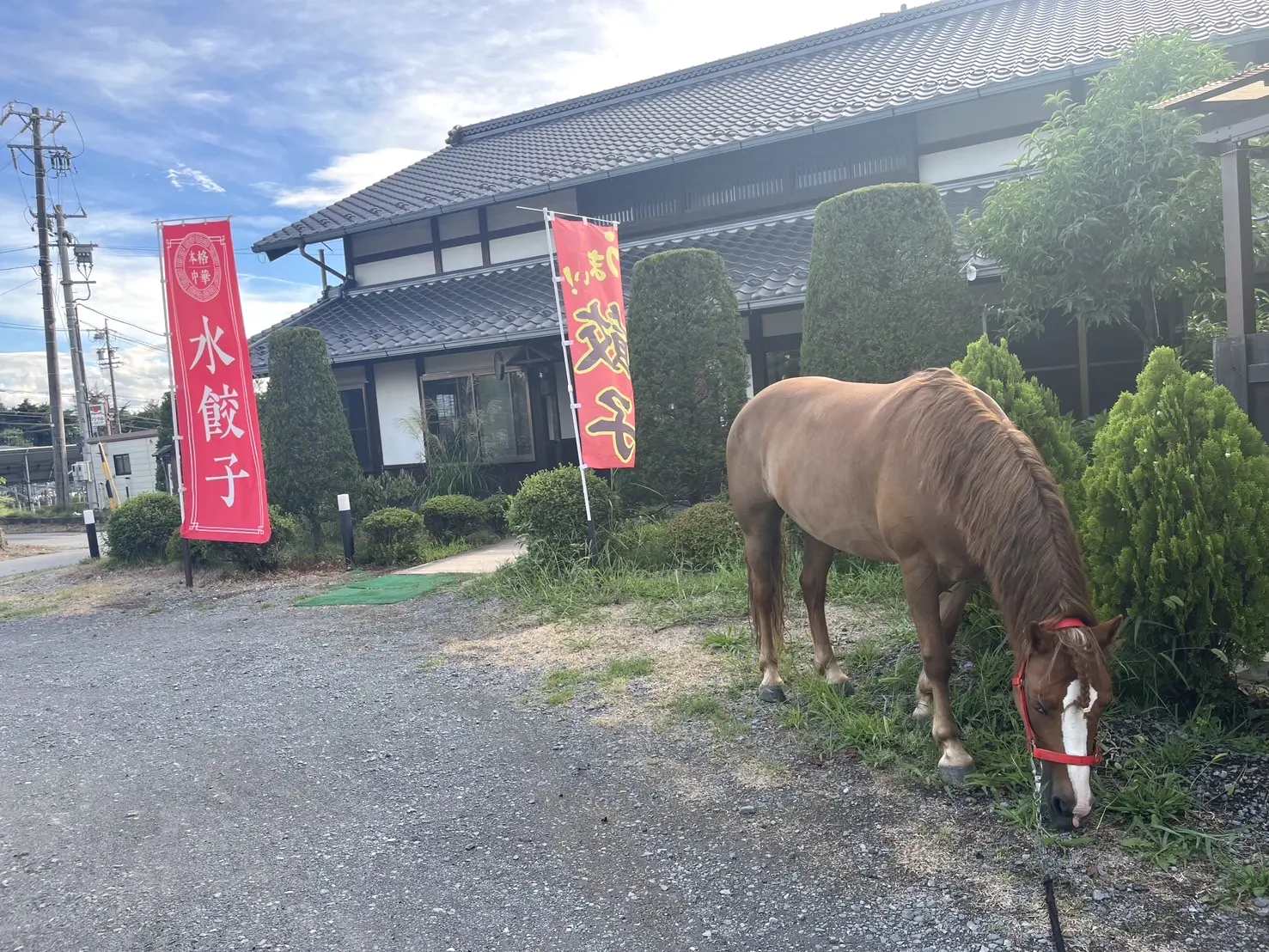
At Tengu no Chaya, horses are part of the scenery. Book a Friesian horse photo session (¥6,600 per group) or combine it with the Ferrari SF90 Spider (¥11,000 per group for 30 minutes) — the kind of souvenir photo you can only take here, with Mt Asama behind you.
Nishi-Karuizawa Horse Terrace
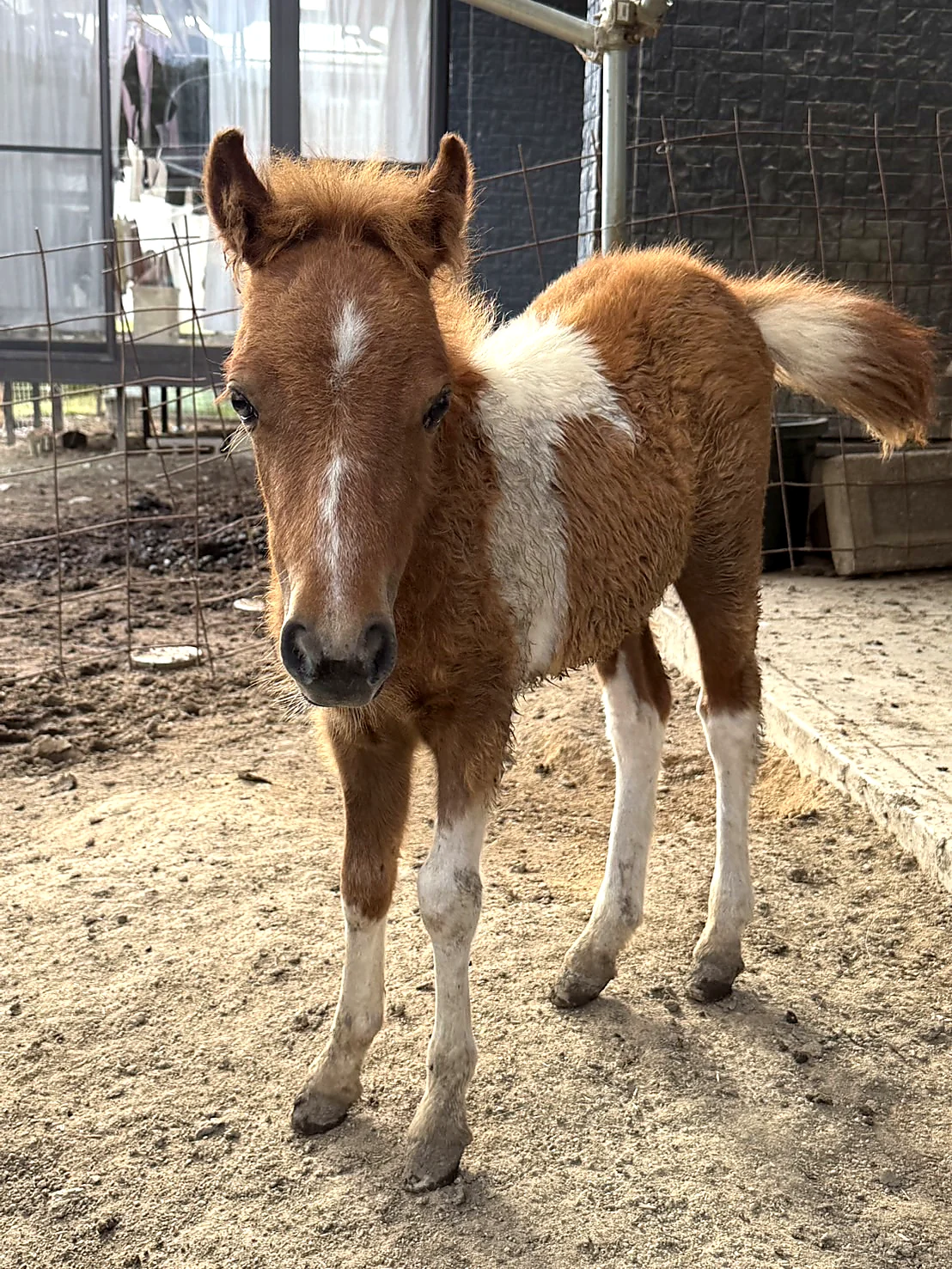
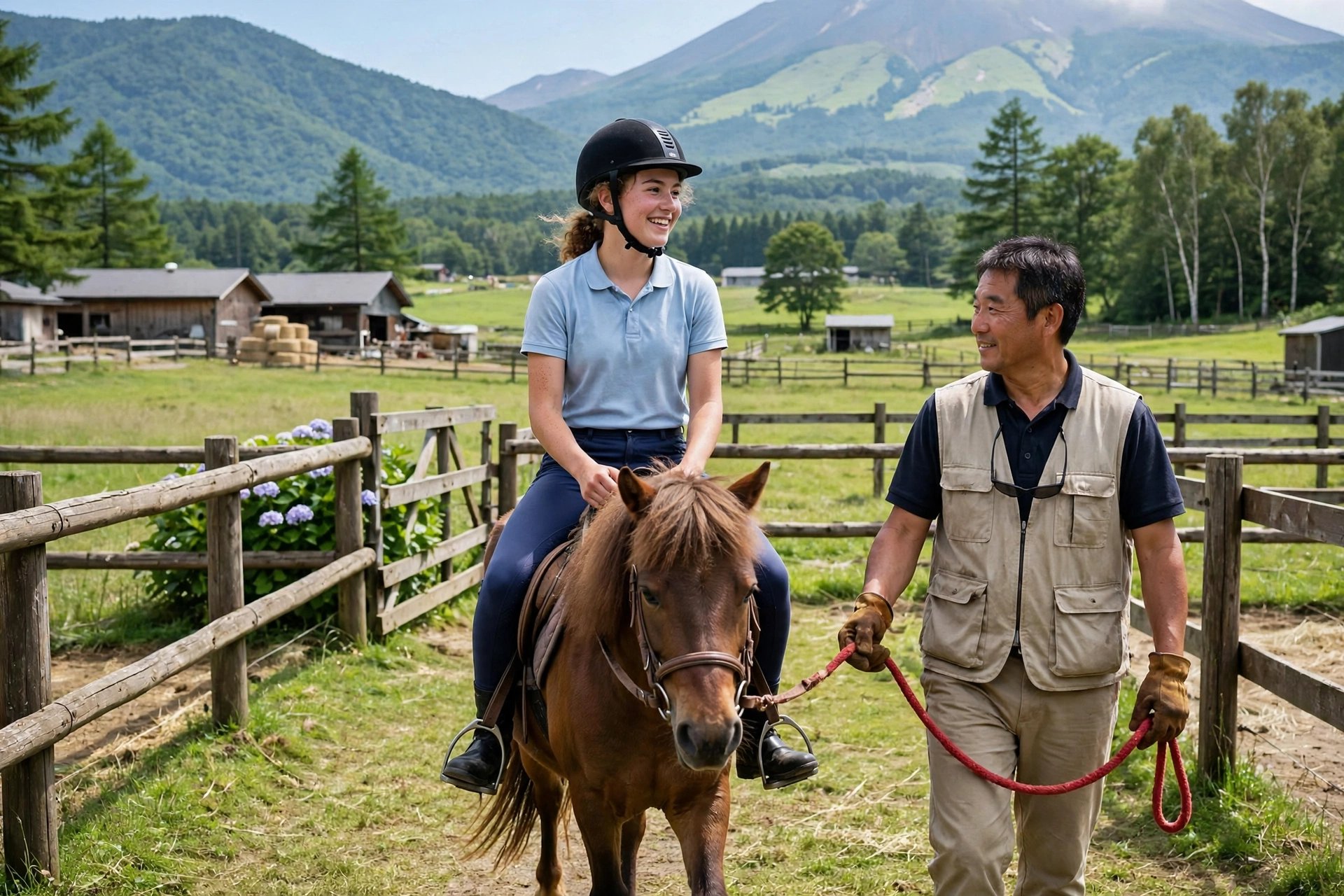
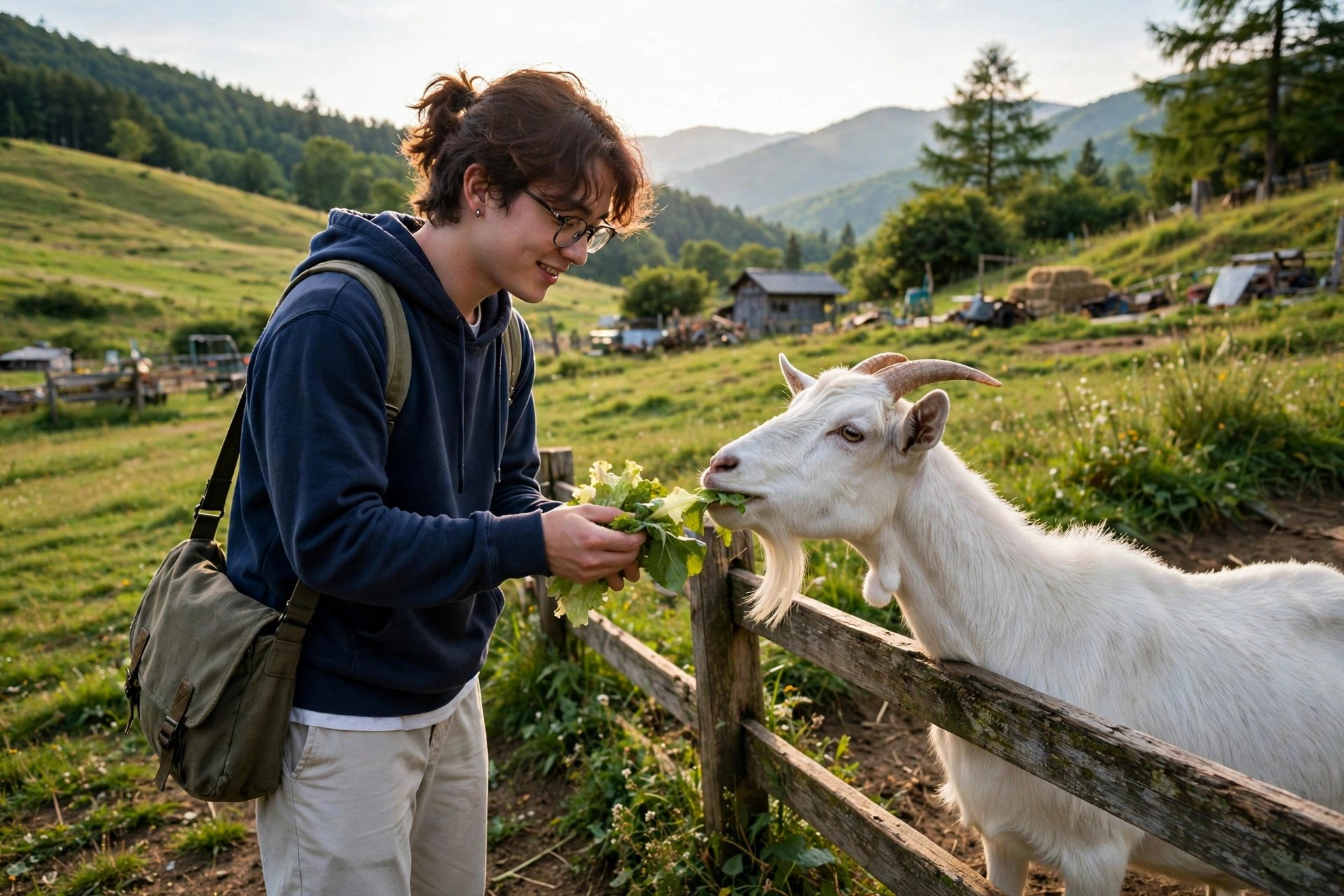
Next door, the Horse Terrace offers feeding (¥300 a cup), pony rides (from ¥1,000), dog-walking and riding lessons up to 45 minutes (¥7,500). Affordable enough to make animals a weekly habit, not a once-a-trip treat.
Group life at Tengu no Chaya
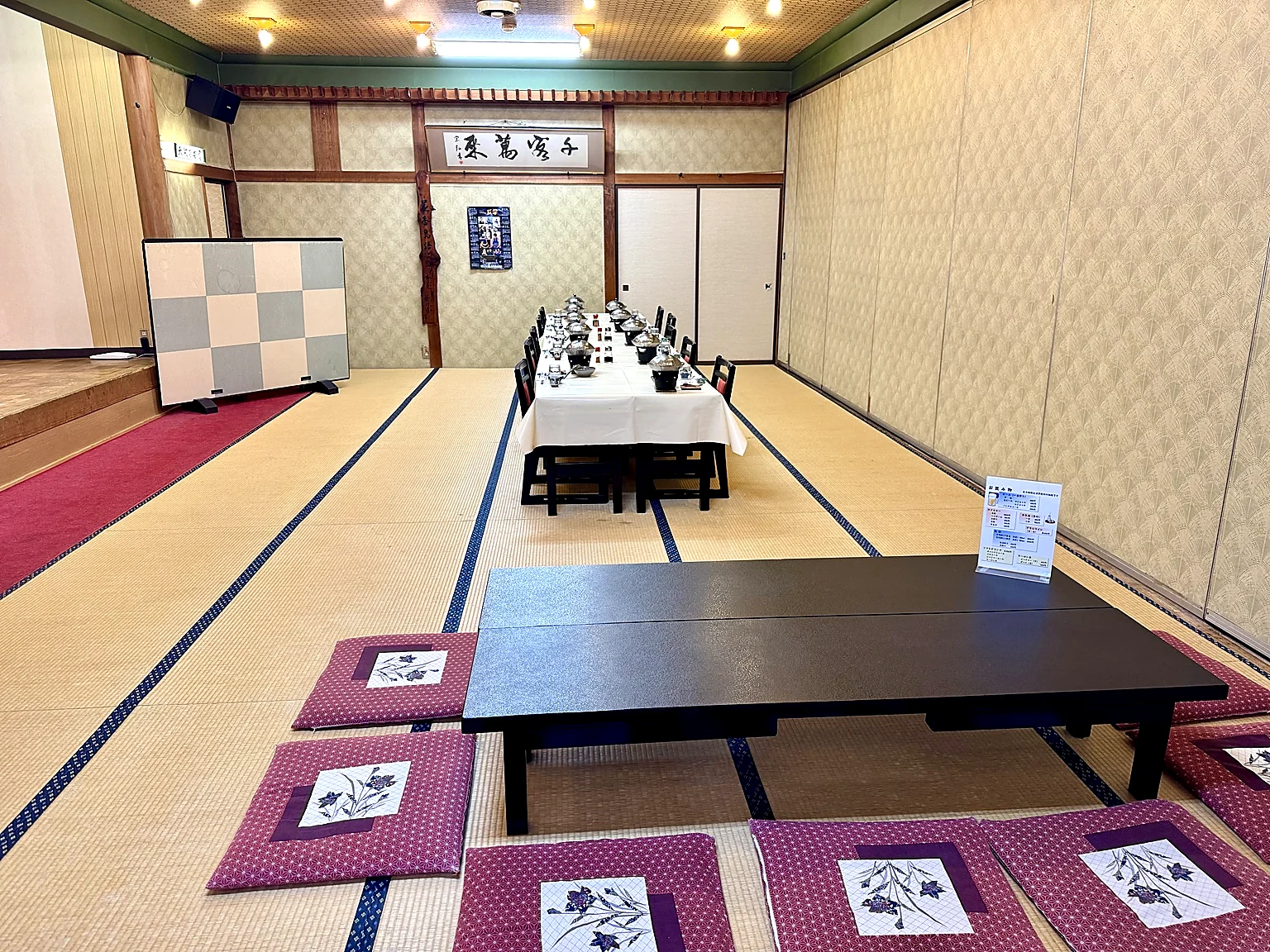
The ryokan's great tatami hall — stage, karaoke, room for a proper banquet — is where your farewell party happens, and where group meals and hands-free BBQs (¥3,300 a person) turn classmates into friends over three months.
Eating at Kirakuya
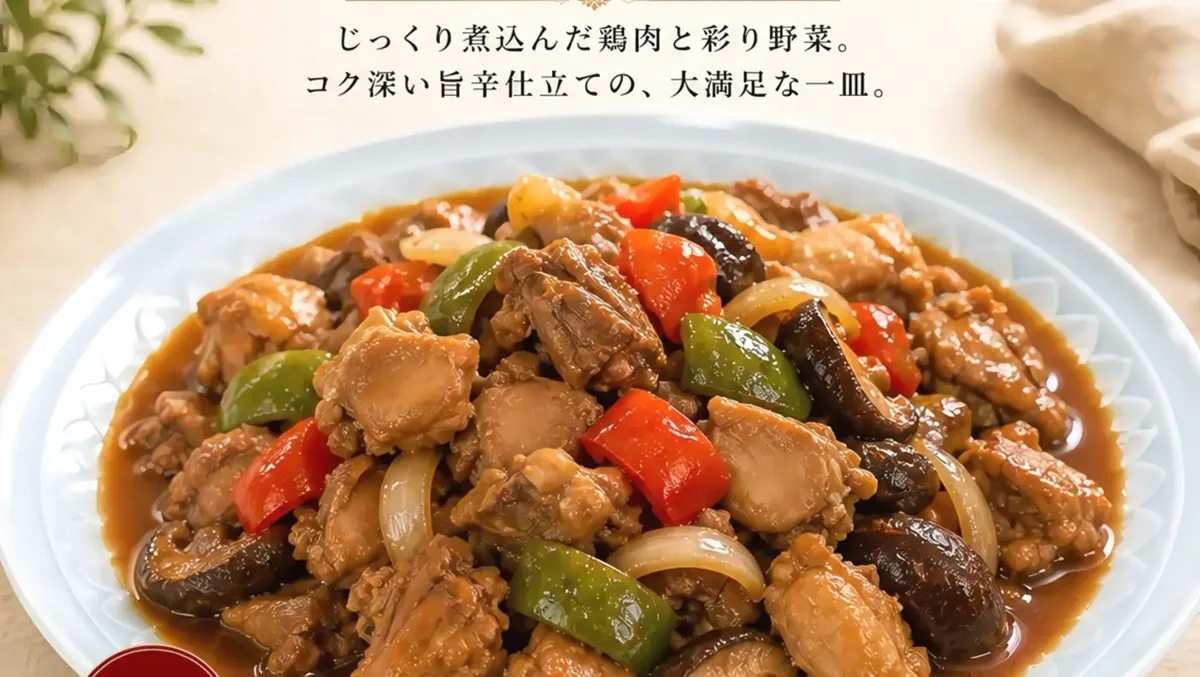
Your everyday canteen is Kirakuya, the group's Chinese restaurant at the ryokan: breakfast and lunch at ¥1,200, dinner at ¥1,500. Slow-braised chicken with peppers and mushrooms is the dish regulars come back for — real food, at local prices, a short walk from class.
Hands-free BBQ evenings
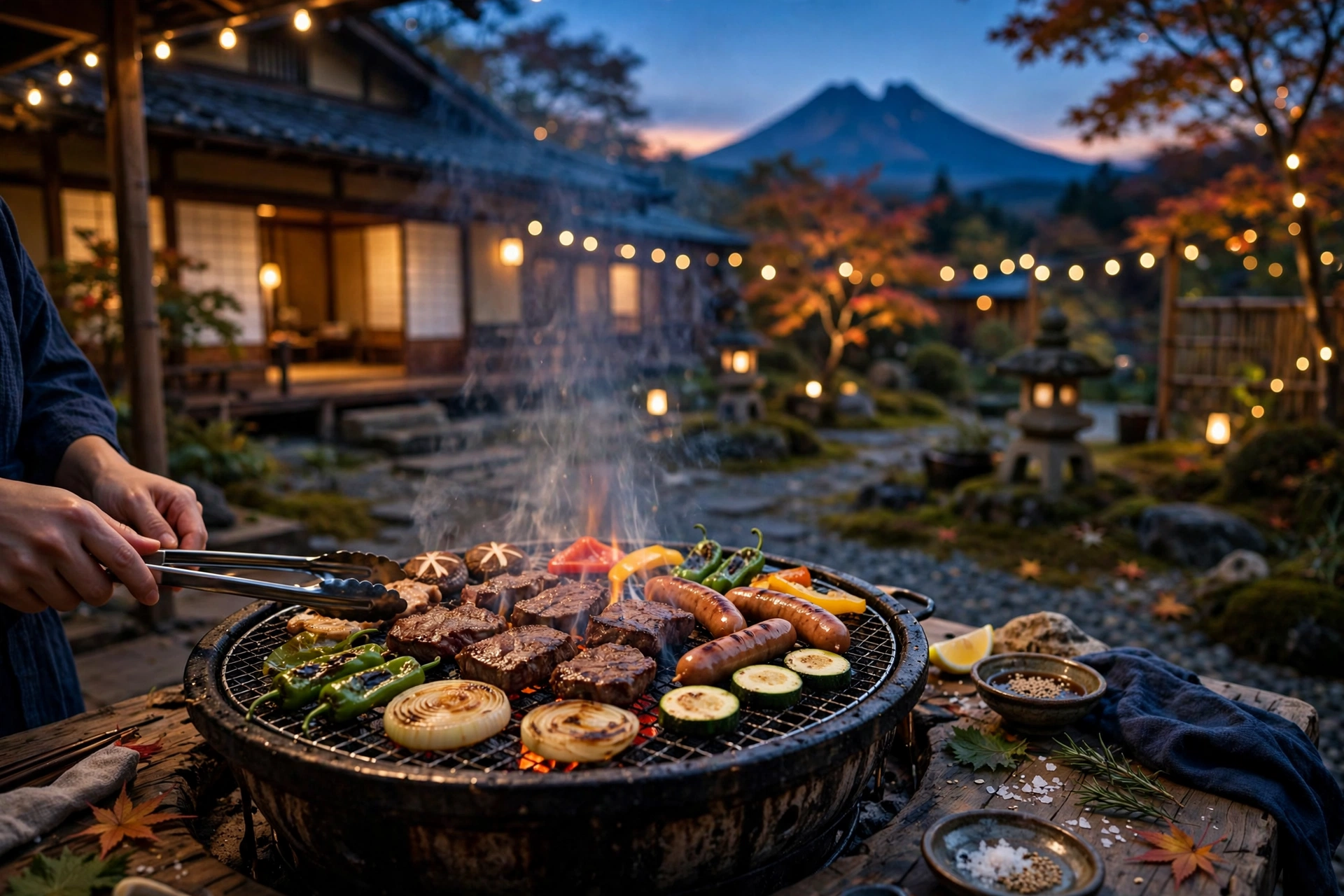
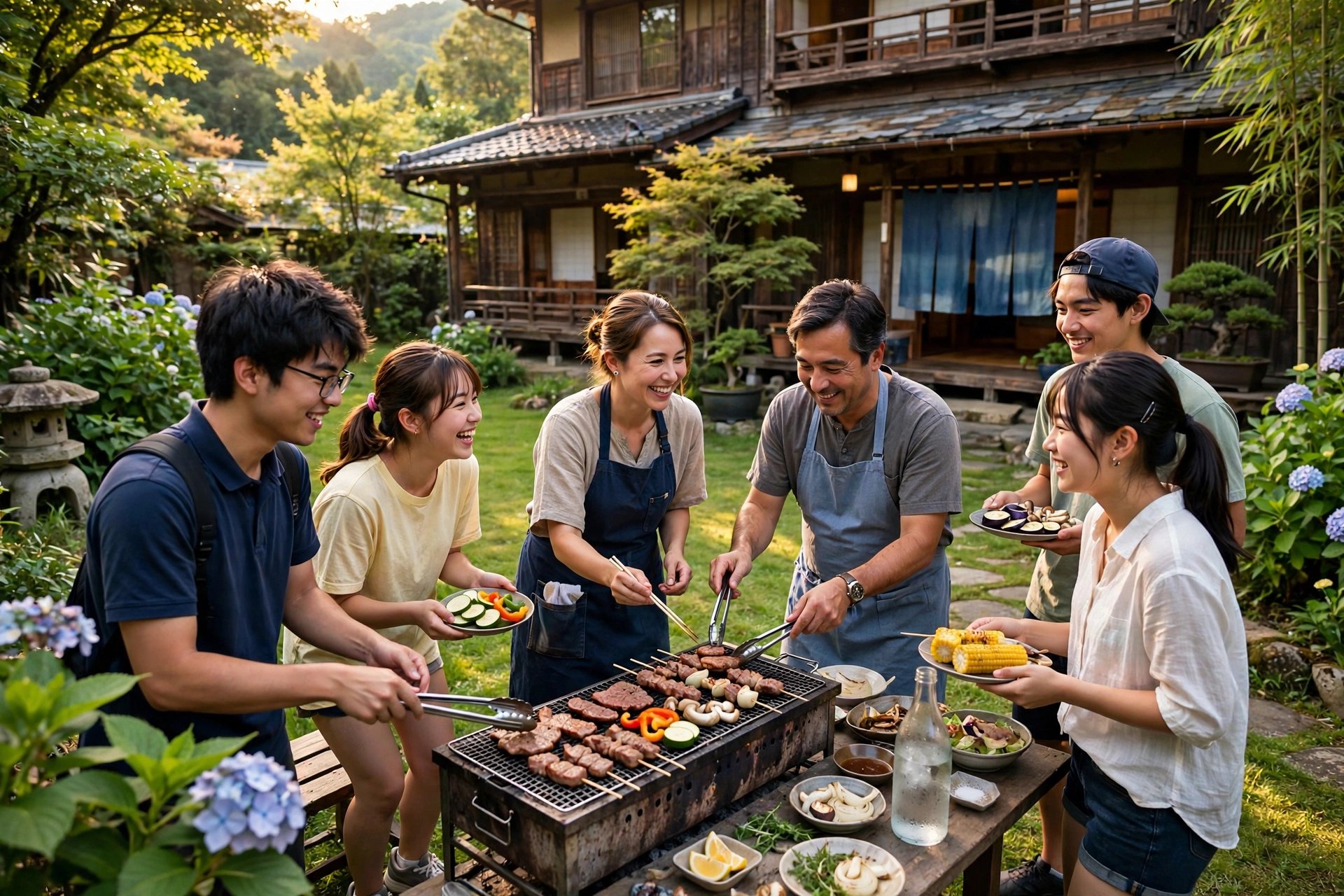
The ryokan's outdoor BBQ area handles everything — grill, beef, pork, sausages and vegetables — for ¥3,300 a person (¥5,000 with all-you-can-drink). You just show up hungry. On a clear evening, Mt Asama closes the day behind the garden.
The Ferrari SF90 Spider
The group's own red SF90 Spider lives at the ryokan. A 15-minute photo session is ¥5,500 per group; combine it with the Friesian horse for 30 minutes at ¥11,000 per group — a souvenir photo with Mt Asama that exists nowhere else.
The Friesian, up close
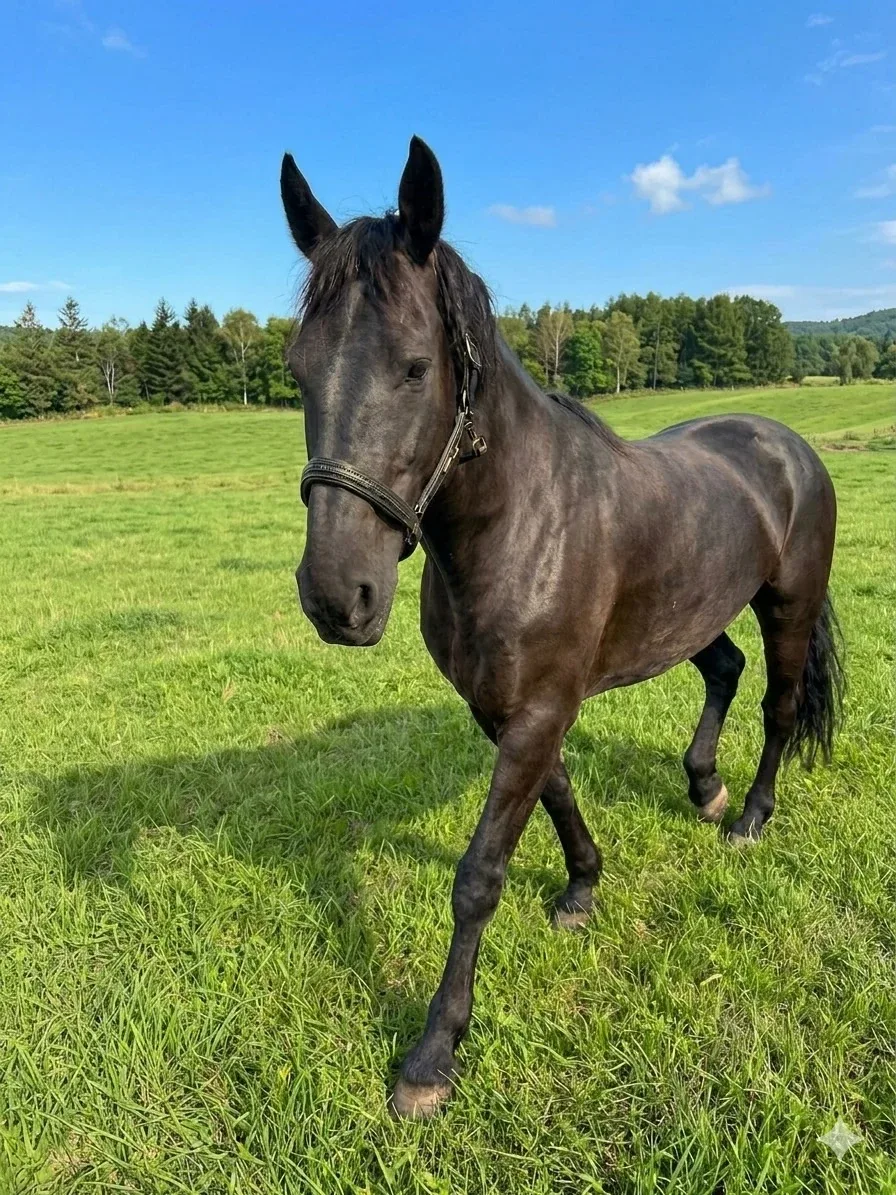
The black Friesian is the face of the Horse Terrace. A 15-minute Friesian photo session at the ryokan is ¥6,600 per group, and at the Terrace itself a Friesian photo is ¥500 per group — close enough to hear the horse breathe.
Scenes from the Horse Terrace
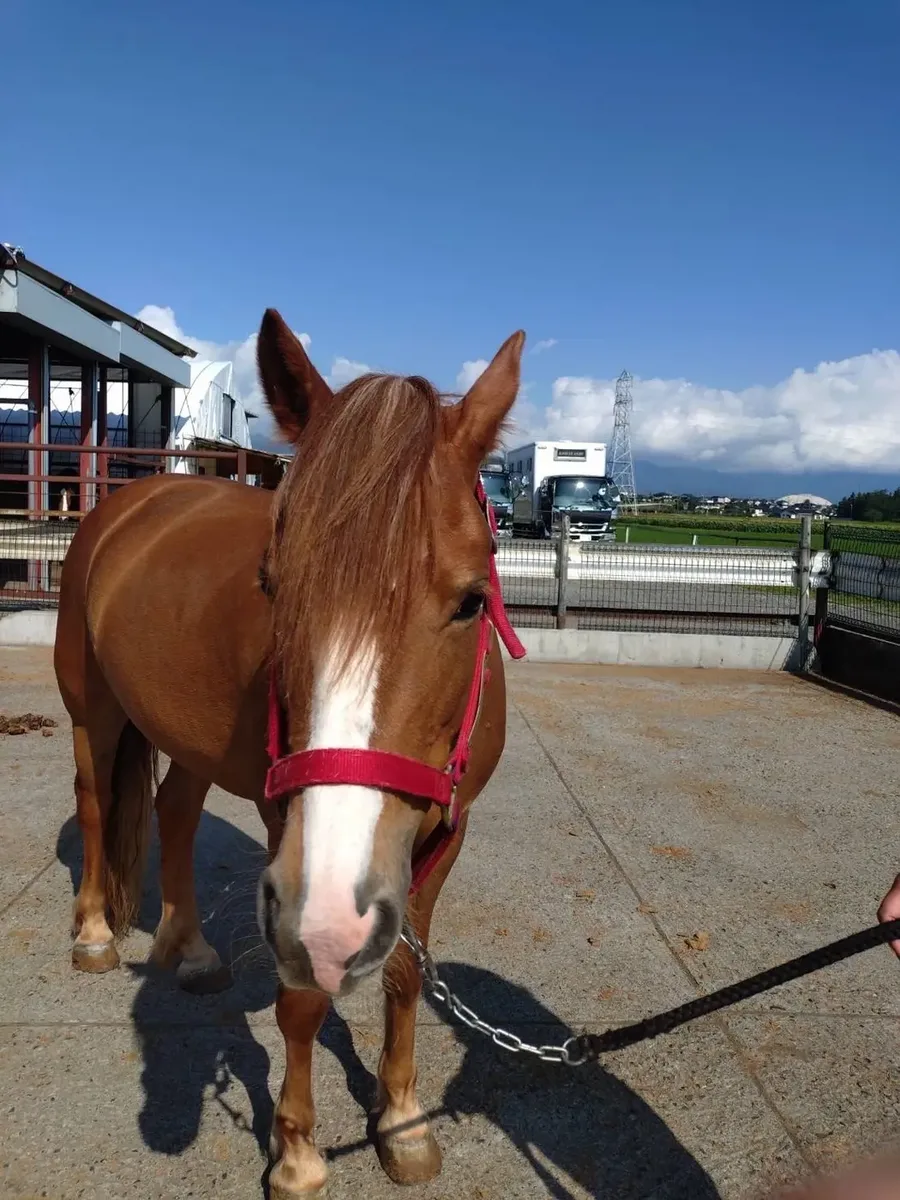
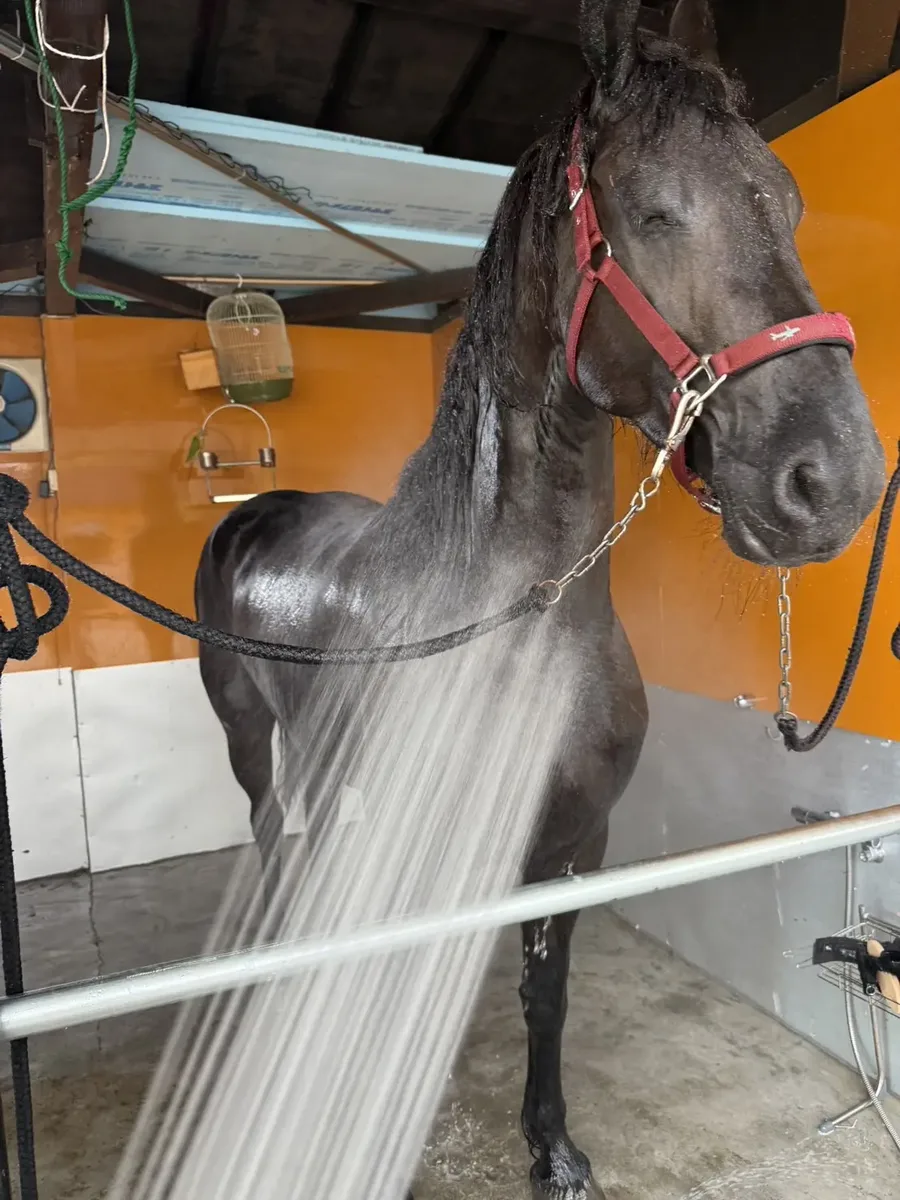
A Friesian on the grass at the Horse Terrace.Lead-rein rides — ¥1,000 a lap, first-timers welcome.The Terrace goat — feeding is ¥300 a cup.Wash-down time at the stable — daily horse care, up close.
And beyond the group: Karuizawa's cafés, outlet shopping and forest cycling about twenty minutes away; the Zenko-ji temple city of Nagano and the castle town of Matsumoto by train; Tokyo for a weekend. Three months is long enough to stop sightseeing Japan and start inhabiting it.
Who It Suits
A gap year, a career break, a sabbatical — a season that is yours
Gap year travellers
Between school and university, or university and work? A structured 90 days in Japan gives your gap year a skill, a language and a story — with a school and dormitory holding the frame while you explore.
Career break & sabbatical
Ninety days is the classic sabbatical length. Weekday lessons keep your days anchored while leaving afternoons and weekends free for the mountains and the town. One firm rule: a short-term stay means pausing paid work entirely — including remote work for an employer back home — unless you hold a separate status of residence that permits it.
Japanese learners & culture lovers
You have studied Japanese at home, watched the dramas, maybe passed an early JLPT level. This is where the language becomes real: daily conversation, real errands, real people, for three full months.
Filipino English speakers
The Philippines is one of the closest English-speaking countries to Japan, and this program is built with Filipino participants in mind — see the Philippines section below for the visa route, explained honestly.
Retirees & slow travellers
No rushing through ten cities in ten days. One town, one school, one season — with healthcare-worthy calm, mountain air, and a community that learns your name.
Future Working Holiday makers
Thinking about a longer stay or a Working Holiday later? Three months here first is the smartest possible rehearsal — arrive next time already speaking, already knowing the country.
Visa & Stay Rules · Please Read
Learn Japanese without a student visa — what that really means
Many people assume studying in Japan always requires a student visa. For a short-term course of 90 days or less, that is not the case: visitors entering Japan as temporary visitors for a short stay may take a short language course during their stay. This program is built exactly on that basis — and we state its limits clearly:
The honest rules of a 90-day stay
This is a short-term stay experience, not a student-visa program. You enter Japan as a temporary visitor for a short-term stay. It does not lead to a student residence status, and the school will confirm your eligibility before any payment is taken.
You cannot work. Paid work of any kind — including part-time jobs in Japan — is not permitted for short-term visitors. Please do not plan to fund this stay with work in Japan.
Visa rules differ by passport. Taiwan and New Zealand passport holders are visa-exempt for stays of up to 90 days — exactly this program’s length — as are many US, Canadian, UK and European visitors. Philippine passport holders generally need to apply for a short-term stay visa in advance through the Japanese embassy, consulate or an accredited agency. Always check your own status against the latest official guidance, and talk to us before booking flights.
Want to stay longer or work legally? That is a different route. Eligible nationalities aged 18–30 may qualify for a Working Holiday in Japan, and longer study requires a student visa through a full-time program. Ask us and we will point you to the right option — we would rather lose a booking than mislead you.
By Country
Coming from Taiwan, New Zealand, North America, the UK & Europe, or the Philippines
From Taiwan
Visa route: visa-exempt entry for up to 90 days for Taiwan passport holders.
Taiwan passport holders can enter Japan visa-exempt for up to 90 days — exactly the length of this program, with no student visa needed. Cultural closeness makes the adjustment easy, and the journey is straightforward in general terms: fly from Taiwan to Tokyo, then take the shinkansen and local lines onward to Miyota. The 3-month package of classes plus dormitory is JPY 315,000, approximately NT$66,000* (approximate, at about JPY 4.8 = NT$1); the single-room package is JPY 360,000, approximately NT$75,000*. If you are aged 18–30, Taiwan is also a Japan Working Holiday partner — Working Holiday is a separate, longer-stay option that does allow work, while this package itself is a short-term stay with no work. A sensible order is to try 90 days of Japanese life first, then decide whether Working Holiday is your next step. *TWD figures are approximate; charges are in JPY.
From New Zealand
Visa route: visa-exempt entry for up to 90 days for New Zealand citizens.
New Zealand citizens can also enter Japan visa-exempt for up to 90 days, which fits this 90-day program exactly — a natural fit for a gap year, a career break, or a full season in Japan before deciding on something longer. The 3-month package is JPY 315,000, approximately NZ$3,500* (approximate); the single-room package is JPY 360,000. New Zealanders aged 18–30 are also eligible for Japan Working Holiday — a separate program that does allow work, unlike this short-term stay package. There is a group connection, too: KIEG runs the Working Holiday program linked from this page, and is planning a Japanese language school in Auckland, so the same group has a presence at both ends of the journey. *NZD figure is approximate; charges are in JPY.
From the United States & Canada
Visa route: visa-exempt entry for up to 90 days for most passport holders.
For most US and Canadian visitors, Japan's visa-exemption arrangement covers a stay of up to 90 days — exactly the length of this program, which makes the 3-month Japanese immersion experience a natural fit for a gap year after high school or college, a sabbatical between jobs, or a first long stay before deciding on something bigger. Fly into Tokyo, ride the shinkansen and local lines to Miyota Station, five minutes from the school area, and your season begins. Remember the firm limits of a short-term stay: no paid work in Japan, and your stay must fit within your permitted period — we will confirm the details with you before payment.
From the UK & Europe
Visa route: visa-exempt entry for up to 90 days for most European passport holders.
Most British and European visitors can also enter Japan visa-exempt for up to 90 days, making this 90-day Japanese language program in Karuizawa a clean, self-contained season abroad: arrive, study, live, explore, and be home within one visa-exempt stay. It suits university students on a year abroad with a free term, professionals on a career break, and retirees who prefer one deep base to a dozen hotels. Highland Nagano will feel familiar in climate yet entirely different in daily life — and by month three, the difference is that you will be living that life in Japanese. As always, check your own nationality's current rules, and let the school confirm eligibility before you commit.
From the Philippines
Visa route: apply for a short-term stay visa in advance.
Filipino travellers are some of Japan's most enthusiastic repeat visitors, and this 3-month program is designed so Filipinos can join properly — not on a rushed tour, but as residents of a small Japanese town for a season. The key difference is paperwork: Philippine passport holders generally need a short-term stay (temporary visitor) visa before travelling, arranged through the Embassy of Japan in the Philippines, a consulate, or an accredited travel agency. Processing takes time, so start early, and contact us first — the school will confirm your eligibility and what documentation we can provide before you pay for the program. With direct flights from Manila and Cebu to Tokyo and other Japanese gateways, then trains onward to Nagano, the journey itself is straightforward. English is understood by our team throughout your enquiry process.
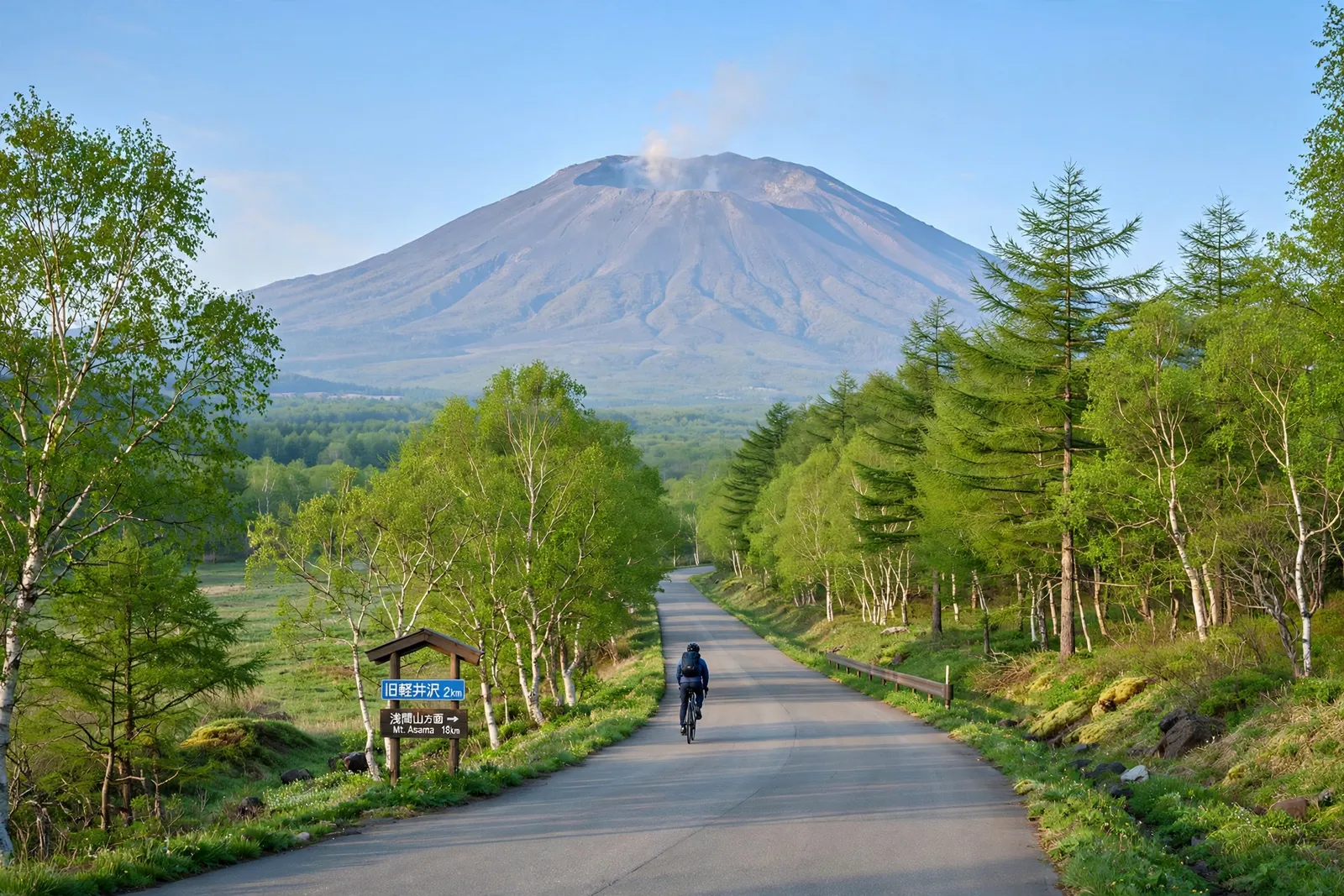
Mt Asama over the paddock at Miyota — the landscape your 90 days are lived in, twenty minutes from Karuizawa.
FAQ
Questions, answered honestly
Do I need to speak any Japanese before I come?
No. Beginners are welcome. Your level is assessed by consultation before you start, and lessons are arranged around it — complete beginners start with survival Japanese (greetings, shopping, trains, restaurants), while learners with experience build conversation and reading from where they are. What matters is not your starting level but three months of daily use.
I'm from Taiwan. Do I need a visa?
No visa application is needed for the program itself: Taiwan passport holders can enter Japan visa-exempt for up to 90 days, exactly matching this program's length. The 3-month package is JPY 315,000 (approximately NT$66,000, approximate at about JPY 4.8 = NT$1); the single-room package is JPY 360,000 (approximately NT$75,000). This is a short-term stay with no work; for ages 18–30, Working Holiday is a separate, longer-stay option that does allow work.
I'm from New Zealand. Do I need a visa?
No visa application is needed for the program itself: New Zealand citizens can enter Japan visa-exempt for up to 90 days, exactly matching this program's length. The 3-month package is JPY 315,000 (approximately NZ$3,500, approximate); the single-room package is JPY 360,000. This is a short-term stay with no work; for ages 18–30, Working Holiday is a separate option that does allow work.
I'm from the Philippines. Can I join, and what visa do I need?
Yes, Filipinos are very welcome — this program was designed with Filipino participants in mind. The important point: Philippine passport holders generally need to apply for a short-term stay (temporary visitor) visa in advance, through the Japanese embassy, a consulate, or an accredited agency in the Philippines. Contact us before applying or paying: the school will confirm your eligibility and explain the steps, and you should always check the latest official requirements for your own situation.
I'm American, Canadian, British or European. Can I enter visa-exempt?
In most cases, yes: Japan's visa-exemption arrangements allow many US, Canadian, UK and European passport holders to stay for up to 90 days without applying for a visa in advance — which matches this program's length exactly. Rules can change and depend on your passport, so verify your own status with official sources, and the school will confirm eligibility before payment.
Can I work part-time during the 3 months?
No. Short-term visitors are not permitted to do paid work in Japan — no part-time jobs, no café shifts, no farm work for pay. Please budget for the full stay without income from Japan. If working in Japan is your goal, ask us about the separate Working Holiday route for eligible nationalities aged 18–30, or longer-term study on a student visa.
Is this a student visa program?
No — and we say so plainly. This is a short-term stay experience: you enter Japan as a temporary visitor and take a short-term Japanese course during your stay. It does not grant student residence status. For study longer than a short stay, you would need a full-time program and a student visa; talk to us and we will explain the options honestly.
What Japanese level will I reach in 3 months?
Realistically: three months of weekday lessons plus daily life in Japanese will take a beginner to confident everyday survival and basic conversation — shopping, directions, restaurants, small talk with neighbours — and will noticeably deepen the fluency of someone who already studies. We make no JLPT guarantee: exam results depend on your starting point and effort. What we can promise is something exams don't measure — three months of actually living in the language.
Where will I live?
In the group's student dormitory accommodation in the Miyota / Karuizawa area. The ¥315,000 package includes a twin room for the full 3 months; a single room is available as the ¥360,000 option. Availability is confirmed individually for each applicant before payment.
What exactly does the ¥315,000 include — and exclude?
The ¥315,000 package (about US$2,100 at ¥150 = US$1) includes tuition for Japanese classes on weekdays for 3 months (¥210,000; 1–3 hours per day, by consultation) and a twin-room student dormitory for 3 months (¥35,000/month × 3 = ¥105,000). Registration and course materials are waived (¥0) for the launch period. The single-room option is ¥360,000 total (dormitory ¥50,000/month). It is a package price for tuition and dormitory, not an all-inclusive total for your stay. It excludes flights, visa fees, insurance, meals, experiences, local transport and personal spending — the full price list on this page lets you budget those precisely.
How much extra should I budget for meals and experiences?
Use the real prices above. Examples: lunch at Kirakuya is ¥1,200; eating there five days a week costs ¥6,000 a week. A hands-free BBQ is ¥3,300 per person, a pony ride ¥1,000, animal feeding ¥300 a cup, beginner riding ¥2,500 for 15 minutes. Many participants cook some meals, eat locally, and treat experiences as weekly highlights — your total depends on your habits, but nothing on the list will surprise you.
When can I start, and how many hours are classes?
Start dates, daily hours (choose 1 to 3 hours per day) and level placement are arranged by individual consultation — contact us with your preferred season. Classes run on weekdays only; there are no classes on weekends, Japanese public holidays or school holidays, which is when most participants travel.
What ages can join?
The program is designed for adults — gap-year travellers, professionals on a break, and active retirees all fit naturally. If you are under 18 or travelling as a family, contact us first so we can confirm what is possible for your situation before you plan around it.
Is it suitable for a gap year or a career break?
Very much so — that is who it was built for. Ninety days is long enough to gain a real skill and a real life in Japan, short enough to fit between school and university, between jobs, or inside a sabbatical. The school-and-dormitory structure keeps it grounded; the weekends keep it an adventure.
What if I want to stay longer, or come back to work in Japan?
Two honest routes exist. Eligible nationalities aged 18–30 can apply for a Working Holiday, which does allow work — a separate program from this one. Longer study requires a student visa via a full-time course. Many participants use these 3 months as a foundation, then decide. Ask us and we will map the routes without any sales pressure.
How to Apply
Start with a conversation — eligibility confirmed before any payment
1
Enquire
Tell us your country, your preferred season, and your Japanese level (zero is fine). Use the phone numbers below or the KIEG website contact.
2
Consultation
We confirm your visa route and eligibility, your class hours (1–3 per day), your level placement, and dormitory availability for your dates.
3
Confirm & pay
Only after eligibility is confirmed do you commit and pay. Then arrange your visa (if your nationality needs one), flights and insurance.
4
Arrive in Miyota
Five minutes from Miyota Station, twenty minutes from Karuizawa. Move in, meet your teachers, and let your 90 days begin.
Your Karuizawa 90 stay starts with one message. Tell us where you're coming from and when you'd like to come — we'll reply with your visa route, your class plan, and a clear, itemised cost. No pressure, and no payment until your eligibility is confirmed.
Fill in the form below and tap Send — we will confirm your eligibility, visa route and dormitory availability before any payment. You can also email us directly at karuizawaschool@dreamtank.co.jp.
01
בית ספר אמיתי, מעבר לטיול
הבסיס שלכם הוא בית הספר הבינלאומי ליפנית בקארואיזאווה שבמיוטה, נאגנו — חלק מקבוצת קארואיזאווה לחינוך בינלאומי (KIEG). השיעורים מתקיימים בימי חול והרמה נקבעת בהתייעצות אישית.
02
המעונות כלולים
החבילה במחיר ¥315,000 כוללת מעונות סטודנטים בחדר זוגי לכל 3 החודשים (אפשרות לחדר יחיד: ¥360,000 בסך הכול). הפרטים מאושרים בנפרד לכל נרשם, כך ששתי ההוצאות הגדולות שלכם ידועות עוד לפני הטיסה.
03
ריוקאן ומרפסת סוסים ממש ליד
הקבוצה מפעילה גם את אכסניית טנגו נו צ׳איה ואת מרפסת הסוסים של מערב קארואיזאווה הסמוכה. לכן מנגל, חוויות עם סוסים וחיי קבוצה יפניים הם חלק מהסביבה היומיומית שלכם, מעבר לפעילות תיירותית נלווית.
טנגו נו צ׳איה והר אסאמה — הנוף מחניית הריוקאן, עם פרארי SF90 Spider.הסוסים הפריזיים של מרפסת הסוסים של מערב קארואיזאווה, בסמוך לריוקאן.הבסיס שלכם בימי חול: בית הספר הבינלאומי ליפנית בקארואיזאווה שבמיוטה.
קורס יפנית קצר ביפן
תוכנית ללימוד יפנית דרך החיים ביפן, למבוגרים שרוצים יותר מחופשה
רוב המבקרים רואים את יפן במשך עשרה ימים. התוכנית הזו מעניקה לכם עונה שלמה: כ־90 ימים של חיים במיוטה, עיירה שקטה באזור קארואיזאווה שבמחוז נאגנו. לומדים יפנית בכל יום חול ומשתמשים בה בכל יום — בתחנה, בסופרמרקט, במסעדה ועם הסוסים.
התוכנית נבנתה כ־ תוכנית למבוגרים לחיים בתוך השפה היפנית: למטיילים בשנת הפסקה, בהפסקה מהקריירה או בשנת שבתון, לגמלאים שרוצים לנצל היטב את זמנם ולכל מי שלמדו יפנית בבית ורוצים לגלות איך מרגישים החיים בשפה עצמה. השיעורים מתקיימים בימי חול, וניתן לבחור 1 עד 3 שעות לימוד ביום, כאשר הרמה ומערכת השעות נקבעות בהתייעצות לפני ההגעה. אין שיעורים בסופי שבוע, בחגים או בחופשות בית הספר, כך שסופי השבוע פנויים להרים, לקארואיזאווה ולשאר יפן.
מיוטה נמצאת במרחק כחמש דקות מתחנת מיוטה וכעשרים דקות נסיעה ברכב מקארואיזאווה, אחת מעיירות הנופש ההרריות המוכרות ביפן, למרגלות הר אסאמה. נהנים משלווה של עיירה קטנה בנאגנו — אוויר נקי, ארבע עונות מובחנות וחנויות שבהן יכירו את פניכם כבר בשבוע השלישי — לצד גישה נוחה לעיירת נופש מפורסמת ולרכבות מהירות לטוקיו. אם חיפשתם דרך ללמוד יפנית בנאגנו במקום בבית ספר עמוס בעיר גדולה, זה המקום.
בית הספר, המעונות, הריוקאן, המסעדה ומרפסת הסוסים מופעלים כולם בידי אותה קבוצה, ולכן היפנית שלכם ממשיכה גם מחוץ לכיתה. ארוחת הצהריים היא בקיראקויה, המסעדה הסינית של הקבוצה בטנגו נו צ׳איה. בסופי השבוע אפשר ליהנות ממנגל שהכול מוכן בו, מרכיבה על פוני, מהאכלת בעלי חיים או מצילום עם סוס פריזי. זו המשמעות של חיים בתוך השפה: שפה שעוטפת חיים אמיתיים, מדי יום במשך שלושה חודשים.
שיעורים בימי חול, 1 עד 3 שעות ביום — אתם בוחרים את מספר השעות והרמה מותאמת לכם.התרגול היומי מצטבר: שלושה חודשים של כתיבה, דיבור וחיים ביפנית.
מסלול לדוגמה · חודש אחר חודש
3 החודשים שלכם, מתוכננים כמסע
בדומה למסלולי הדוגמה של תוכניות החוויה שלנו, כך מתפתחת בדרך כלל חוויה בת 90 ימים של חיים ולימודי יפנית בקארואיזאווה.
חודש 1
מתמקמים ומתחילים
אסאמה פלאזה הייטס — מעונות סטודנטים בסאקו.
הגעה והיכרות — עוברים למעונות הסטודנטים ומכירים את העיירה, התחנה, הסופרמרקט והדרך לבית הספר.
מתחילים יפנית יומיומית — שיעורים בימי חול, 1–3 שעות ביום בהתאם לרמה שלכם. מתחילים ביפנית שימושית: ברכות, קניות, רכבות ומסעדות.
חוויות ראשונות — ארוחת צהריים בקיראקויה, האכלה וזמן עם הפוני במרפסת הסוסים, והמנגל הראשון בטנגו נו צ׳איה.
הטיול הראשון לקארואיזאווה — יוצאים לגלות את עיירת הנופש שבמרחק עשרים דקות, ביפנית, עם רשימה קצרה של ביטויים שימושיים.
קצב שבועי — שיעורים בימי חול, רכיבה על סוסים, חוויות חקלאות ואוכל, וסידורים מקומיים המתבצעים כולם ביפנית.
יפן לאורך העונות — בהתאם לתאריך ההתחלה: פריחה, קיץ ירוק בהרים, צבעי שלכת או שלג — וגם פסטיבלים ושווקים מקומיים.
טיולים רחוקים יותר — סופי שבוע בקארואיזאווה, בעיר נאגנו או בטוקיו, בתכנון ובניווט שלכם, ביפנית.
חודש 3
מגלים ומשתמשים ביפנית שלכם
חיים עצמאיים — בשלב הזה העיירה כבר שלכם: חנויות אהובות, פנים מוכרות ושיחות שנמשכות דקות, ולא רק שניות.
פרויקט אישי — יומן ביפנית, יומן תמונות של 90 הימים שלכם או מצגת סיום קצרה למורים ולחברים לכיתה.
טיול גדול אחד — מנצלים סוף שבוע פנוי למסע ארוך יותר במקום אחר ביפן, ומבצעים את ההזמנות והסידורים ביפנית ככל האפשר.
פרידה בטנגו נו צ׳איה — ארוחה קבוצתית אחרונה וקריוקי באולם הגדול של הריוקאן לפני החזרה הביתה — או תכנון המסלול הבא, כגון חופשת עבודה למי שעומדים בתנאים.
שבוע לדוגמה
כך נראה שבוע רגיל
השיעורים מתקיימים בימי חול בלבד. בוחרים 1 עד 3 שעות לימוד ביום; הרמה ולוח הזמנים המדויק נקבעים בהתייעצות אישית. זהו קצב שבועי לדוגמה, ולא מערכת שעות קבועה.
יום
בוקר
אחר הצהריים
ערב
שני – שישי
שיעור שיעור יפנית, 1–3 שעות בהתאם לרמה שלכם
לימוד עצמי, סידורים בעיירה ביפנית או חוויה לבחירה (מרפסת הסוסים, מנגל, רכיבה — בתשלום נפרד)
חיי מעונות, בישול או ארוחה בחוץ וחזרה על היפנית שלמדתם היום
שבת
אין שיעורים. טיולי יום לקארואיזאווה, חוויות עונתיות בטנגו נו צ׳איה ובמרפסת הסוסים, או טיול ארוך יותר — לעיר נאגנו, למאטסומוטו או לטוקיו ברכבת.
יום ראשון
אין שיעורים. מנוחה, טיולים מקומיים למרגלות הר אסאמה, כביסה וקניות לשבוע, וזמן ליומן או לפרויקט.
אין שיעורים בסופי שבוע, בחגים ביפן או בחופשות בית הספר. ארוחות, חוויות ותחבורה מחויבות בנפרד משכר הלימוד — המחירים המלאים מופיעים בסעיף התקציב בהמשך, כדי שתוכלו לתכנן על בסיס מידע ברור.
מחיר ומה כלול
המחיר ל־3 חודשים, בשקיפות
מחיר החבילה ל־3 חודשים הוא ¥315,000 עם מעונות בחדר זוגי — כ־US$2,100 לפי ¥150 = US$1 — והפירוט שלהלן מראה בדיוק לאן הכסף הולך. המחיר כולל שכר לימוד ומעונות; הוא אינו מחיר הכול כלול לשהייה כולה (טיסות, ארוחות וחוויות משולמות בנפרד), ואנו מציגים זאת במפורש. קיימת גם אפשרות לחדר יחיד במחיר ¥360,000 בסך הכול (כ־US$2,400).
פירוט המחיר ¥315,000
שכר לימוד ל־3 חודשים: ¥210,000
מעונות סטודנטים, חדר זוגי: ¥35,000 לחודש × 3 = ¥105,000
דמי הרשמה וחומרי לימוד: ¥0 — פטור בתקופת ההשקה
סך הכול, חדר זוגי: ¥315,000 ין יפני (כ־US$2,100*) עבור תוכנית לימודי היפנית המלאה ביפן למשך 3 חודשים.
אפשרות לחדר יחיד: מעונות ¥50,000 לחודש × 3 = ¥150,000, סך החבילה ¥360,000 (כ־US$2,400*).
אפשר להתחיל את קארואיזאווה 90 גם ב־30 או ב־60 ימים — שהיות קצרות באותו תעריף (חדר זוגי): חודש 1 ¥105,000 · 2 חודשים ¥210,000 · 3 חודשים ¥315,000.
להשוואה: המסלול הזול ביותר בר־השוואה בטוקיו ברשימות בתי הספר המרכזיות עולה כ־¥192,000 לשכר לימוד בלבד, ועוד כ־¥191,000 לחוזה מעונות בחדר זוגי ל־3 חודשים — כ־¥383,000 בסך הכול. מחירי שכר הלימוד בלבד אינם כוללים מגורים. במחיר ¥315,000 כולל המעונות, החבילה הזו זולה בכ־18% מהסכום הכולל הזה. בתי ספר דומים בטוקיו גובים גם דמי הרשמה וחומרי לימוד בנפרד; כאן שניהם ללא עלות בתקופת ההשקה. *הסכומים בדולרים אמריקאיים הם אומדנים לפי ¥150 = US$1.
כלול בחבילה במחיר ¥315,000
שכר לימוד לשיעורי יפנית בימי חול למשך 3 חודשים — ¥210,000; לבחירה 1 עד 3 שעות ביום, הרמה ולוח הזמנים נקבעים בהתייעצות
מעונות סטודנטים בחדר זוגי ל־3 חודשים — ¥35,000 לחודש (¥105,000 בסך הכול), באישור אישי לכל נרשם. אפשרות לחדר יחיד: ¥50,000 לחודש, סך החבילה ¥360,000
דמי הרשמה וחומרי לימוד — ¥0, פטור בתקופת ההשקה (בתי ספר דומים בטוקיו גובים עליהם בנפרד)
היכרות והכוונה בהגעה: בית הספר, העיירה, תחבורה וחיי היומיום במיוטה
תמיכה מקומית מקבוצת KIEG — בית הספר, הריוקאן, המסעדה ומרפסת הסוסים תחת קורת גג אחת
ארוחות — בתשלום לכל ארוחה בקיראקויה ובמקומות אחרים; ראו את המחירון בהמשך
חוויות בטנגו נו צ׳איה ובמרפסת הסוסים — בתשלום לכל פעילות כמפורט בהמשך
תחבורה מקומית, קניות אישיות וטיולים במקומות אחרים ביפן
היכן תגורו — מעונות הסטודנטים
KIEG מפעילה מעונות סטודנטים משלה באזור מיוטה וסאקו — מתחמי המגורים החינוכיים של הקבוצה, המוצגים בתמונות אמיתיות להלן. בחדרים יש שולחנות לימוד; מטבחים משותפים, אזורי אוכל, חדרי כביסה ורחצה תומכים בחיי היומיום, וצוות בית הספר מסייע בכניסה למגורים ובשגרה. מקום המגורים וסוג החדר שלכם (חדר זוגי בחבילת ¥315,000; חדר יחיד באפשרות ¥360,000) מאושרים בנפרד לפני התשלום.
אסאמה פלאזה הייטס — מעונות סטודנטים בסאקו.חדרים משותפים עם שולחנות לימוד — מקום לחיות וללמוד.מטבח ופינת אוכל משותפים לבישול ולארוחות יחד.חדר כביסה — גם הפרטים הפשוטים של חיי היומיום מקבלים מענה.
תקציב ל־3 חודשים ביפן: מחירים אמיתיים לארוחות ולחוויות
כדי שתוכלו לחשב את העלות האמיתית של 3 חודשים ביפן, הנה המחירים המפורסמים בפועל במתקני הקבוצה. דוגמה פשוטה: ארוחת צהריים בקיראקויה חמישה ימים בשבוע עולה ¥1,200 × 5 = ¥6,000 בשבוע; מנגל עם חברים עולה ¥3,300 לאדם; רכיבה על פוני עולה ¥1,000. שלבו בישול באזור המעונות, מסעדות מקומיות וחוויות בהתאם לתקציב שלכם.
טנגו נו צ׳איה — ארוחות וחוויות
הריוקאן של הקבוצה במיוטה. המחירים ביין יפני וכוללים מס אלא אם צוין אחרת. חוויות צילום ורכיבה בהזמנה מראש.
ארוחת בוקר בקיראקויה (מסעדה סינית)
¥1,200 לאדם
ארוחת צהריים בקיראקויה
¥1,200 לאדם
ארוחת ערב בקיראקויה
¥1,500 לאדם
מנגל ללא הכנות (הכול מסופק)
¥3,300 לאדם
מנגל ללא הכנות עם שתייה ללא הגבלה
¥5,000 לאדם
לינה קבוצתית בריוקאן
¥6,600 לאדם + מס לינה ¥200
קריוקי באולם הגדול
¥5,000 לאירוע
צילום עם פרארי SF90 Spider, 15 דקות
¥5,500 לקבוצה (עד 4)
צילום עם סוס פריזי, 15 דקות
¥6,600 לקבוצה
צילום משולב פרארי + סוס פריזי, 30 דקות
¥11,000 לקבוצה
לינה עם חיית המחמד שלכם
¥5,000 לחיית מחמד (ללא מס)
לינה ברכב
החל מ־¥3,300 לרכב ללילה*
*לינה ברכב נמצאת בהכנה ומחייבת התייעצות מראש. לבירור על קבוצות ואירועים: 0267-46-9877. מנגל ומסעדה: 0267-32-2142.
מרפסת הסוסים של מערב קארואיזאווה
מתחם בעלי החיים והרכיבה הסמוך לטנגו נו צ׳איה — מתקן נפרד עם מחירון משלו, ביין יפני.
כניסה
¥500
האכלת בעלי חיים
¥300 לכוס
רכיבה על פוני — סיבוב 1
¥1,000
רכיבה על פוני — 2 סיבובים
¥1,500
צילום עם סוס פריזי
¥500 לקבוצה
ליטוף וצילום עם בעלי החיים
¥1,000 לקבוצה
טיול עם כלב, 15 דקות
¥500
טיול עם כלב, 30 דקות
¥1,000
שיעור רכיבה למתחילים, 15 דקות
¥2,500
רכיבה, 30 דקות
¥5,500
רכיבה, 45 דקות
¥7,500
החוויות עם בעלי החיים עשויות להשתנות או להיפסק בהתאם למצב בעלי החיים או למזג האוויר.
מעבר לכיתה
ריוקאן אמיתי, סוסים אמיתיים והר אסאמה על סף הדלת
הכיתה היא רק חצי מהתוכנית. החצי השני הוא המקום עצמו — אכסניה יפנית פעילה, מסעדה סינית ומרפסת סוסים, כולם מופעלים בידי אותה קבוצה שמפעילה את בית הספר שלכם.
סוסים בריוקאן
בטנגו נו צ׳איה הסוסים הם חלק מהנוף. הזמינו צילום עם סוס פריזי (¥6,600 לקבוצה) או שלבו אותו עם פרארי SF90 Spider (¥11,000 לקבוצה ל־30 דקות) — תמונת מזכרת שאפשר לצלם רק כאן, כשברקע הר אסאמה.
מרפסת הסוסים של מערב קארואיזאווה
במרפסת הסוסים הסמוכה אפשר להאכיל בעלי חיים (¥300 לכוס), לרכוב על פוני (החל מ־¥1,000), לטייל עם כלבים ולקבל שיעורי רכיבה של עד 45 דקות (¥7,500). המחירים מאפשרים להפוך את המפגש עם בעלי החיים להרגל שבועי, מעבר לחוויה חד־פעמית בטיול.
חיי קבוצה בטנגו נו צ׳איה
באולם הטטאמי הגדול של הריוקאן — עם במה, קריוקי ומקום לאירוע של ממש — נערכת מסיבת הפרידה שלכם. ארוחות קבוצתיות ומנגל ללא הכנות (¥3,300 לאדם) הופכים את חברי הכיתה לחברים לאורך שלושת החודשים.
אוכלים בקיראקויה
חדר האוכל היומיומי שלכם הוא קיראקויה, המסעדה הסינית של הקבוצה בריוקאן: ארוחות בוקר וצהריים ב־¥1,200 וארוחת ערב ב־¥1,500. עוף בבישול איטי עם פלפלים ופטריות הוא המנה שהסועדים הקבועים חוזרים בשבילה — אוכל אמיתי במחירים מקומיים, במרחק הליכה קצר מהכיתה.
ערבי מנגל ללא הכנות
אזור המנגל החיצוני של הריוקאן דואג להכול — גריל, בשר בקר, חזיר, נקניקיות וירקות — במחיר ¥3,300 לאדם (¥5,000 עם שתייה ללא הגבלה). צריך רק להגיע רעבים. בערב בהיר, הר אסאמה מלווה את סוף היום מאחורי הגינה.
פרארי SF90 Spider
ה־SF90 Spider האדומה של הקבוצה נמצאת בריוקאן. צילום של 15 דקות עולה ¥5,500 לקבוצה; שלבו את המכונית עם הסוס הפריזי ל־30 דקות במחיר ¥11,000 לקבוצה — תמונת מזכרת עם הר אסאמה שאין בשום מקום אחר.
הסוס הפריזי מקרוב
הסוס הפריזי השחור הוא הסמל של מרפסת הסוסים. צילום של 15 דקות עם סוס פריזי בריוקאן עולה ¥6,600 לקבוצה, ובמרפסת הסוסים עצמה צילום עם סוס פריזי עולה ¥500 לקבוצה — קרוב מספיק כדי לשמוע את נשימת הסוס.
מראות ממרפסת הסוסים
סוס פריזי על הדשא במרפסת הסוסים.רכיבה בהובלה — ¥1,000 לסיבוב, גם למי שרוכבים בפעם הראשונה.העז של מרפסת הסוסים — האכלה במחיר ¥300 לכוס.זמן רחצה באורווה — טיפול יומיומי בסוסים, מקרוב.
ומעבר לקבוצה: בתי קפה בקארואיזאווה, קניות באאוטלט ורכיבה על אופניים ביער במרחק כעשרים דקות; העיר נאגנו עם מקדש זנקו־ג׳י ועיר הטירה מאטסומוטו ברכבת; וטוקיו לסוף שבוע. שלושה חודשים הם מספיק זמן כדי להפסיק רק לטייל ביפן ולהתחיל לחיות בה.
למי זה מתאים
שנת הפסקה, הפסקה מהקריירה או שבתון — עונה שהיא שלכם
מטיילים בשנת הפסקה
בין התיכון לאוניברסיטה, או בין האוניברסיטה לעבודה? מסגרת של 90 ימים ביפן מעניקה לשנת ההפסקה שלכם מיומנות, שפה וסיפור — עם בית ספר ומעונות שמספקים מסגרת בזמן שאתם מגלים את הארץ.
הפסקה מהקריירה ושבתון
תשעים ימים הם משך קלאסי לשבתון. שיעורים בימי חול מעניקים עוגן לימים, ואחר הצהריים וסופי השבוע פנויים להרים ולעיירה. כלל מחייב אחד: שהייה קצרה מחייבת הפסקה מוחלטת של עבודה בשכר — לרבות עבודה מרחוק עבור מעסיק במדינת המוצא — אלא אם יש לכם מעמד שהייה נפרד המתיר זאת.
לומדי יפנית וחובבי תרבות
למדתם יפנית בבית, צפיתם בדרמות ואולי עברתם רמה התחלתית של JLPT. כאן השפה הופכת למציאות: שיחות יומיומיות, סידורים אמיתיים ואנשים אמיתיים, במשך שלושה חודשים מלאים.
דוברי אנגלית מהפיליפינים
הפיליפינים היא אחת המדינות דוברות האנגלית הקרובות ביותר ליפן, והתוכנית נבנתה גם למשתתפים מהפיליפינים — ראו בהמשך את ההסבר המפורט על מסלול האשרה.
גמלאים ומטיילים בקצב איטי
בלי למהר דרך עשר ערים בעשרה ימים. עיירה אחת, בית ספר אחד ועונה אחת — עם שלווה מיטיבה, אוויר הרים וקהילה שלומדת להכיר את שמכם.
מי שמתכננים חופשת עבודה בעתיד
חושבים על שהייה ארוכה יותר או על חופשת עבודה בהמשך? שלושה חודשים כאן הם הכנה מצוינת — בפעם הבאה תגיעו כשאתם כבר מדברים ומכירים את הארץ.
אשרות וכללי שהייה · נא לקרוא
ללמוד יפנית ללא אשרת סטודנט — מה זה אומר בפועל
רבים מניחים שלימודים ביפן מחייבים תמיד אשרת סטודנט. במקרה של קורס קצר של 90 ימים או פחות, אין זה כך: מי שנכנסים ליפן כמבקרים זמניים לשהייה קצרה רשאים להשתתף בקורס שפה קצר במהלך השהייה. זו בדיוק התשתית שעליה מבוססת התוכנית, ואנו מציגים בבירור את מגבלותיה:
הכללים הברורים לשהייה של 90 ימים
זוהי חוויית שהייה קצרה, ולא תוכנית לאשרת סטודנט. נכנסים ליפן כמבקרים זמניים לשהייה קצרה. התוכנית אינה מקנה מעמד שהייה של סטודנט, ובית הספר יאשר את זכאותכם לפני גביית תשלום כלשהו.
אסור לעבוד. עבודה בשכר מכל סוג — לרבות משרות חלקיות ביפן — אסורה למבקרים בשהייה קצרה. אין לתכנן לממן את השהייה באמצעות עבודה ביפן.
כללי האשרה משתנים לפי הדרכון. בעלי דרכונים מטייוואן ומניו זילנד פטורים מאשרה לשהייה של עד 90 ימים — בדיוק משך התוכנית — וכך גם מבקרים רבים מארה״ב, מקנדה, מבריטניה ומאירופה. בעלי דרכון פיליפיני נדרשים בדרך כלל להגיש מראש בקשה לאשרת שהייה קצרה דרך שגרירות יפן, קונסוליה או סוכנות מורשית. בדקו תמיד את מעמדכם לפי ההנחיות הרשמיות העדכניות, ושוחחו איתנו לפני הזמנת טיסות.
רוצים להישאר יותר או לעבוד כחוק? זהו מסלול אחר. בעלי אזרחות מתאימה בגיל 18–30 עשויים להיות זכאים ל־ חופשת עבודה ביפן, ולימודים ארוכים יותר מחייבים אשרת סטודנט במסגרת תוכנית לימודים מלאה. פנו אלינו ונכוון אתכם לאפשרות המתאימה — אנו מעדיפים לוותר על הזמנה מאשר להטעות אתכם.
לפי מדינה
מגיעים מטייוואן, מניו זילנד, מצפון אמריקה, מבריטניה ומאירופה או מהפיליפינים
מטייוואן
מסלול האשרה: כניסה ללא אשרה לעד 90 ימים לבעלי דרכון מטייוואן.
בעלי דרכון מטייוואן יכולים להיכנס ליפן ללא אשרה לעד 90 ימים — בדיוק משך התוכנית, ללא צורך באשרת סטודנט. הקרבה התרבותית מקלה על ההסתגלות, והמסע פשוט באופן כללי: טסים מטייוואן לטוקיו, ומשם נוסעים בשינקנסן וברכבות מקומיות למיוטה. חבילת 3 חודשים של שיעורים ומעונות עולה JPY 315,000, כ־NT$66,000* (אומדן לפי כ־JPY 4.8 = NT$1); החבילה בחדר יחיד עולה JPY 360,000, כ־NT$75,000*. בגיל 18–30 אפשר גם לשקול את הסכם חופשת העבודה של טייוואן ויפן — זהו מסלול נפרד לשהייה ארוכה יותר המתיר עבודה, בעוד שחבילה זו היא שהייה קצרה ללא עבודה. סדר הגיוני הוא לנסות תחילה 90 ימים של חיים ביפן, ואז להחליט אם חופשת עבודה היא השלב הבא. *הסכומים בדולר טייוואני הם אומדנים; החיוב ביין יפני.
מניו זילנד
מסלול האשרה: כניסה ללא אשרה לעד 90 ימים לאזרחי ניו זילנד.
אזרחי ניו זילנד יכולים גם להיכנס ליפן ללא אשרה לעד 90 ימים, בהתאם מדויק לתוכנית זו בת 90 ימים — אפשרות טבעית לשנת הפסקה, להפסקה מהקריירה או לעונה מלאה ביפן לפני החלטה על שהייה ארוכה יותר. החבילה ל־3 חודשים עולה JPY 315,000, כ־NZ$3,500* (אומדן); החבילה בחדר יחיד עולה JPY 360,000. אזרחי ניו זילנד בני 18–30 זכאים גם לחופשת עבודה ביפן — תוכנית נפרדת המתירה עבודה, בשונה מחבילת השהייה הקצרה הזו. יש גם חיבור קבוצתי: KIEG מפעילה את תוכנית חופשת העבודה המקושרת בעמוד זה ומתכננת בית ספר ליפנית באוקלנד, כך שלאותה קבוצה יש נוכחות בשני קצות המסע. *הסכום בדולר ניו זילנדי הוא אומדן; החיוב ביין יפני.
מארצות הברית ומקנדה
מסלול האשרה: כניסה ללא אשרה לעד 90 ימים לרוב בעלי הדרכונים.
עבור רוב המבקרים מארה״ב ומקנדה, הסדר הפטור מאשרה של יפן מאפשר שהייה של עד 90 ימים — בדיוק משך התוכנית. לכן חוויית לימודי היפנית והחיים בשפה במשך 3 חודשים מתאימה לשנת הפסקה אחרי התיכון או המכללה, לשבתון בין עבודות או לשהייה ארוכה ראשונה לפני החלטה גדולה יותר. טסים לטוקיו, נוסעים בשינקנסן וברכבות מקומיות לתחנת מיוטה, כחמש דקות מאזור בית הספר, והעונה שלכם מתחילה. זכרו את המגבלות המחייבות של שהייה קצרה: אין עבודה בשכר ביפן, ומשך השהייה חייב להיות בתוך התקופה שאושרה לכם — נאשר איתכם את הפרטים לפני התשלום.
מבריטניה ומאירופה
מסלול האשרה: כניסה ללא אשרה לעד 90 ימים לרוב בעלי הדרכונים האירופיים.
רוב המבקרים מבריטניה ומאירופה יכולים גם להיכנס ליפן ללא אשרה לעד 90 ימים. תוכנית יפנית זו בקארואיזאווה, בת 90 ימים, מאפשרת עונה שלמה ומוגדרת בחו״ל: מגיעים, לומדים, חיים, מגלים וחוזרים הביתה בתוך תקופת פטור אחת. היא מתאימה לסטודנטים באוניברסיטה בשנת לימודים בחו״ל עם סמסטר פנוי, לאנשי מקצוע בהפסקה מהקריירה ולגמלאים שמעדיפים בסיס מעמיק אחד על פני תריסר בתי מלון. האקלים בהרי נאגנו עשוי להרגיש מוכר, אך חיי היומיום שונים לחלוטין — ובחודש השלישי תחיו את החיים האלה ביפנית. כמו תמיד, בדקו את הכללים העדכניים לאזרחותכם ואפשרו לבית הספר לאשר זכאות לפני התחייבות.
מהפיליפינים
מסלול האשרה: יש להגיש מראש בקשה לאשרת שהייה קצרה.
מטיילים מהפיליפינים נמנים עם המבקרים החוזרים הנלהבים ביותר ביפן. תוכנית זו בת 3 חודשים נועדה לאפשר להם להצטרף באופן מסודר — לחיות עונה בעיירה יפנית קטנה, מעבר לטיול מזורז. ההבדל המרכזי הוא במסמכים: בעלי דרכון פיליפיני זקוקים בדרך כלל לאשרת שהייה קצרה (מבקר זמני) לפני הנסיעה, המוסדרת דרך שגרירות יפן בפיליפינים, קונסוליה או סוכנות נסיעות מורשית. הטיפול לוקח זמן, ולכן התחילו מוקדם ופנו אלינו תחילה — בית הספר יאשר את זכאותכם ואת המסמכים שנוכל לספק לפני שתשלמו על התוכנית. עם טיסות ישירות ממנילה ומסבו לטוקיו ולשערי כניסה נוספים ליפן, ומשם רכבות לנאגנו, המסע עצמו פשוט. הצוות שלנו מבין אנגלית לאורך כל תהליך הבירור.
הר אסאמה מעל מתחם הסוסים במיוטה — הנוף שבו תחיו את 90 הימים שלכם, במרחק עשרים דקות מקארואיזאווה.
שאלות נפוצות
שאלות ותשובות בגילוי לב
האם צריך לדעת יפנית לפני ההגעה?
לא. מתחילים מוזמנים. הרמה שלכם נבדקת בהתייעצות לפני תחילת הלימודים והשיעורים מותאמים לה — מתחילים ללא ידע קודם לומדים תחילה יפנית שימושית (ברכות, קניות, רכבות ומסעדות), ובעלי ניסיון מפתחים שיחה וקריאה מהרמה שבה הם נמצאים. מה שחשוב הוא שלושה חודשים של שימוש יומיומי, מעבר לרמת הפתיחה.
אני מטייוואן. האם צריך אשרה?
אין צורך בבקשת אשרה לצורך התוכנית עצמה: בעלי דרכון מטייוואן יכולים להיכנס ליפן ללא אשרה לעד 90 ימים, בדיוק משך התוכנית. החבילה ל־3 חודשים עולה JPY 315,000 (כ־NT$66,000, אומדן לפי כ־JPY 4.8 = NT$1); החבילה בחדר יחיד עולה JPY 360,000 (כ־NT$75,000). זוהי שהייה קצרה ללא עבודה; לבני 18–30 חופשת עבודה היא אפשרות נפרדת לשהייה ארוכה יותר המתירה עבודה.
אני מניו זילנד. האם צריך אשרה?
אין צורך בבקשת אשרה לצורך התוכנית עצמה: אזרחי ניו זילנד יכולים להיכנס ליפן ללא אשרה לעד 90 ימים, בדיוק משך התוכנית. החבילה ל־3 חודשים עולה JPY 315,000 (כ־NZ$3,500, אומדן); החבילה בחדר יחיד עולה JPY 360,000. זוהי שהייה קצרה ללא עבודה; לבני 18–30 חופשת עבודה היא אפשרות נפרדת המתירה עבודה.
אני מהפיליפינים. האם אפשר להצטרף, ואיזו אשרה צריך?
כן, משתתפים מהפיליפינים מוזמנים מאוד — התוכנית תוכננה גם עבורם. הנקודה החשובה: בעלי דרכון פיליפיני נדרשים בדרך כלל להגיש מראש בקשה לאשרת שהייה קצרה (מבקר זמני), דרך שגרירות יפן, קונסוליה או סוכנות מורשית בפיליפינים. פנו אלינו לפני הגשת בקשה או תשלום: בית הספר יאשר זכאות ויסביר את השלבים. בדקו תמיד גם את הדרישות הרשמיות העדכניות למצבכם האישי.
אני מארה״ב, מקנדה, מבריטניה או מאירופה. האם אפשר להיכנס ללא אשרה?
ברוב המקרים כן: הסדרי הפטור מאשרה של יפן מאפשרים לבעלי דרכונים רבים מארה״ב, מקנדה, מבריטניה ומאירופה לשהות עד 90 ימים ללא בקשת אשרה מראש — בדיוק משך התוכנית. הכללים עשויים להשתנות ותלויים בדרכון שלכם, לכן בדקו את מעמדכם במקורות רשמיים. בית הספר יאשר זכאות לפני התשלום.
האם אפשר לעבוד במשרה חלקית במהלך 3 החודשים?
לא. למבקרים בשהייה קצרה אסור לעבוד בשכר ביפן — ללא משרות חלקיות, משמרות בבתי קפה או עבודות חקלאות בתשלום. יש לתקצב את השהייה כולה ללא הכנסה מיפן. אם מטרתכם לעבוד ביפן, שאלו אותנו על המסלול הנפרד לחופשת עבודה לבעלי אזרחות מתאימה בגיל 18–30, או על לימודים ארוכים יותר באשרת סטודנט.
האם זו תוכנית לאשרת סטודנט?
לא, ואנו מציינים זאת במפורש. זוהי חוויית שהייה קצרה: נכנסים ליפן כמבקרים זמניים ומשתתפים בקורס יפנית קצר במהלך השהייה. התוכנית אינה מקנה מעמד שהייה של סטודנט. ללימודים ארוכים יותר משהייה קצרה נדרשת תוכנית מלאה ואשרת סטודנט; פנו אלינו ונסביר את האפשרויות בגילוי לב.
לאיזו רמת יפנית אגיע בתוך 3 חודשים?
באופן מציאותי, שלושה חודשים של שיעורים בימי חול לצד חיים יומיומיים ביפנית מאפשרים למתחילים להתנהל בביטחון במצבים יומיומיים ולנהל שיחות בסיסיות — קניות, הכוונה, מסעדות ושיחות עם שכנים — ומשפרים באופן ניכר את השטף של מי שכבר לומדים. אנו לא מבטיחים תוצאה ב־JLPT: תוצאות הבחינה תלויות בנקודת ההתחלה ובמאמץ שלכם. מה שאפשר להבטיח הוא דבר שבחינות אינן מודדות — שלושה חודשים של חיים אמיתיים בתוך השפה.
היכן אגור?
במעונות הסטודנטים של הקבוצה באזור מיוטה וקארואיזאווה. חבילת ¥315,000 כוללת חדר זוגי לכל 3 החודשים; חדר יחיד זמין באפשרות ¥360,000. הזמינות מאושרת בנפרד לכל נרשם לפני התשלום.
מה בדיוק כלול ב־¥315,000 ומה אינו כלול?
חבילת ¥315,000 (כ־US$2,100 לפי ¥150 = US$1) כוללת שכר לימוד לשיעורי יפנית בימי חול למשך 3 חודשים (¥210,000; 1–3 שעות ביום בהתייעצות אישית) ומעונות סטודנטים בחדר זוגי ל־3 חודשים (¥35,000 לחודש × 3 = ¥105,000). דמי הרשמה וחומרי לימוד ללא עלות (¥0) בתקופת ההשקה. אפשרות לחדר יחיד עולה ¥360,000 בסך הכול (מעונות ¥50,000 לחודש). זהו מחיר חבילה לשכר לימוד ולמעונות, ולא מחיר הכול כלול לשהייה. טיסות, אגרות אשרה, ביטוח, ארוחות, חוויות, תחבורה מקומית והוצאות אישיות אינם כלולים — המחירון המלא בעמוד מאפשר לתקצב אותם במדויק.
כמה כסף נוסף כדאי לתקצב לארוחות ולחוויות?
השתמשו במחירים האמיתיים שלעיל. לדוגמה: ארוחת צהריים בקיראקויה עולה ¥1,200; ארוחה שם חמישה ימים בשבוע עולה ¥6,000 לשבוע. מנגל ללא הכנות עולה ¥3,300 לאדם, רכיבה על פוני ¥1,000, האכלת בעלי חיים ¥300 לכוס ושיעור רכיבה למתחילים ¥2,500 ל־15 דקות. משתתפים רבים מבשלים חלק מהארוחות, אוכלים במקומות מקומיים ומשלבים חוויות כשיאי השבוע — הסכום הכולל תלוי בהרגלים שלכם, אך כל המחירים ידועים מראש.
מתי אפשר להתחיל, וכמה שעות לומדים?
מועדי ההתחלה, שעות הלימוד היומיות (לבחירה 1 עד 3 שעות ביום) והשיבוץ לרמה נקבעים בהתייעצות אישית — פנו אלינו עם העונה המועדפת עליכם. השיעורים מתקיימים בימי חול בלבד; אין שיעורים בסופי שבוע, בחגים ביפן או בחופשות בית הספר, שבהם רוב המשתתפים מטיילים.
באילו גילאים אפשר להצטרף?
התוכנית מיועדת למבוגרים — מטיילים בשנת הפסקה, אנשי מקצוע בהפסקה וגמלאים פעילים משתלבים בה באופן טבעי. אם אתם מתחת לגיל 18 או נוסעים כמשפחה, פנו אלינו תחילה כדי שנוכל לאשר מה אפשרי במצבכם לפני התכנון.
האם התוכנית מתאימה לשנת הפסקה או להפסקה מהקריירה?
בהחלט — לשם כך היא נבנתה. תשעים ימים מספיקים לרכישת מיומנות אמיתית ולחיים של ממש ביפן, וקצרים מספיק להשתלב בין התיכון לאוניברסיטה, בין עבודות או במסגרת שבתון. בית הספר והמעונות מספקים מסגרת יציבה; סופי השבוע מעניקים הרפתקה.
מה אם ארצה להישאר יותר זמן או לחזור לעבוד ביפן?
קיימים שני מסלולים ברורים. בעלי אזרחות מתאימה בגיל 18–30 יכולים להגיש בקשה ל־ חופשת עבודה, המתירה עבודה — זו תוכנית נפרדת מזו. לימודים ארוכים יותר מחייבים אשרת סטודנט במסגרת קורס מלא. משתתפים רבים משתמשים ב־3 החודשים האלה כבסיס ואז מחליטים. פנו אלינו ונציג את המסלולים ללא לחץ מכירתי.
איך נרשמים
מתחילים בשיחה — הזכאות מאושרת לפני תשלום כלשהו
1
בירור
ספרו לנו מאיזו מדינה אתם מגיעים, מהי העונה המועדפת עליכם ומהי רמת היפנית שלכם (גם ללא ידע כלל זה בסדר). השתמשו במספרי הטלפון שלהלן או בטופס יצירת הקשר באתר KIEG.
2
התייעצות
אנו מאשרים את מסלול האשרה והזכאות שלכם, שעות הלימוד (1–3 ביום), השיבוץ לרמה וזמינות המעונות בתאריכים שלכם.
3
אישור ותשלום
מתחייבים ומשלמים רק לאחר אישור הזכאות. לאחר מכן מסדירים אשרה (אם האזרחות שלכם מחייבת זאת), טיסות וביטוח.
4
מגיעים למיוטה
חמש דקות מתחנת מיוטה, עשרים דקות מקארואיזאווה. נכנסים למעונות, מכירים את המורים ומתחילים את 90 הימים שלכם.
השהייה שלכם בקארואיזאווה 90 מתחילה בהודעה אחת. ספרו לנו מאין אתם מגיעים ומתי תרצו לבוא — ונשיב עם מסלול האשרה, תוכנית הלימודים ופירוט עלויות ברור. ללא לחץ וללא תשלום עד לאישור הזכאות.
בירור ושאלות
שאלו אותנו על קארואיזאווה 90
מלאו את הטופס שלהלן ולחצו על שליחה — נאשר את זכאותכם, מסלול האשרה וזמינות המעונות לפני תשלום כלשהו. ניתן גם לשלוח לנו דוא״ל ישירות לכתובת karuizawaschool@dreamtank.co.jp.